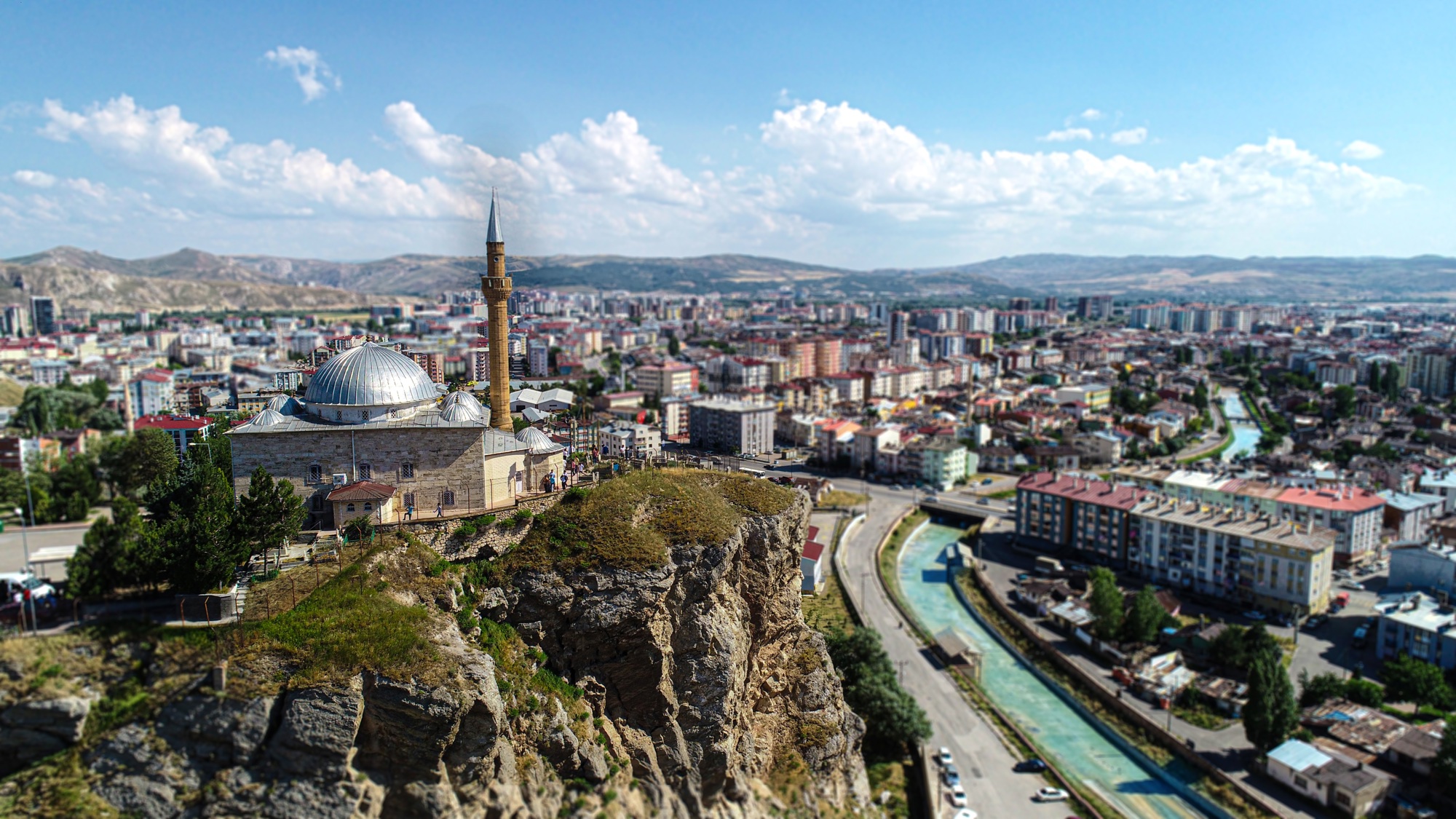
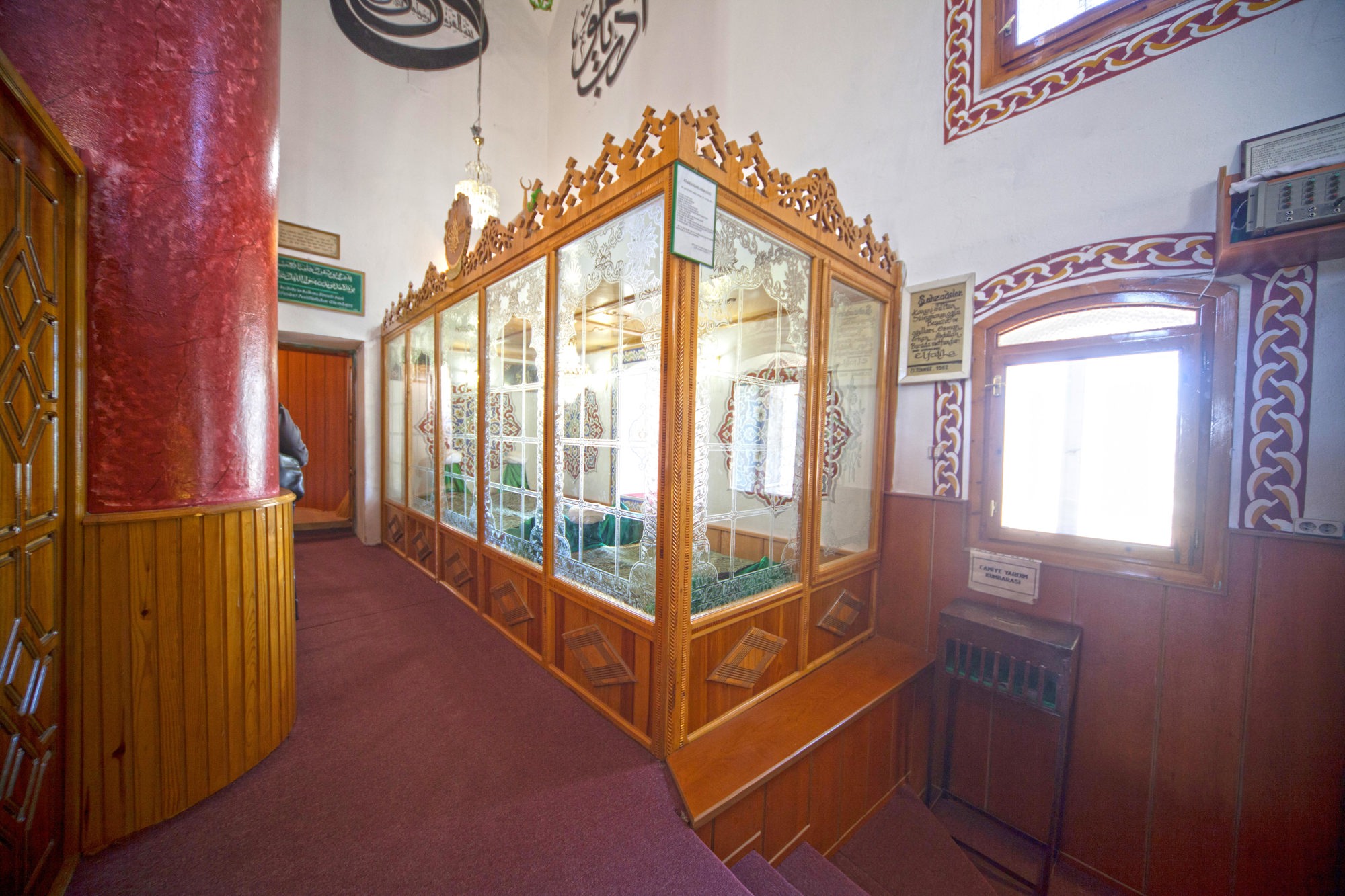
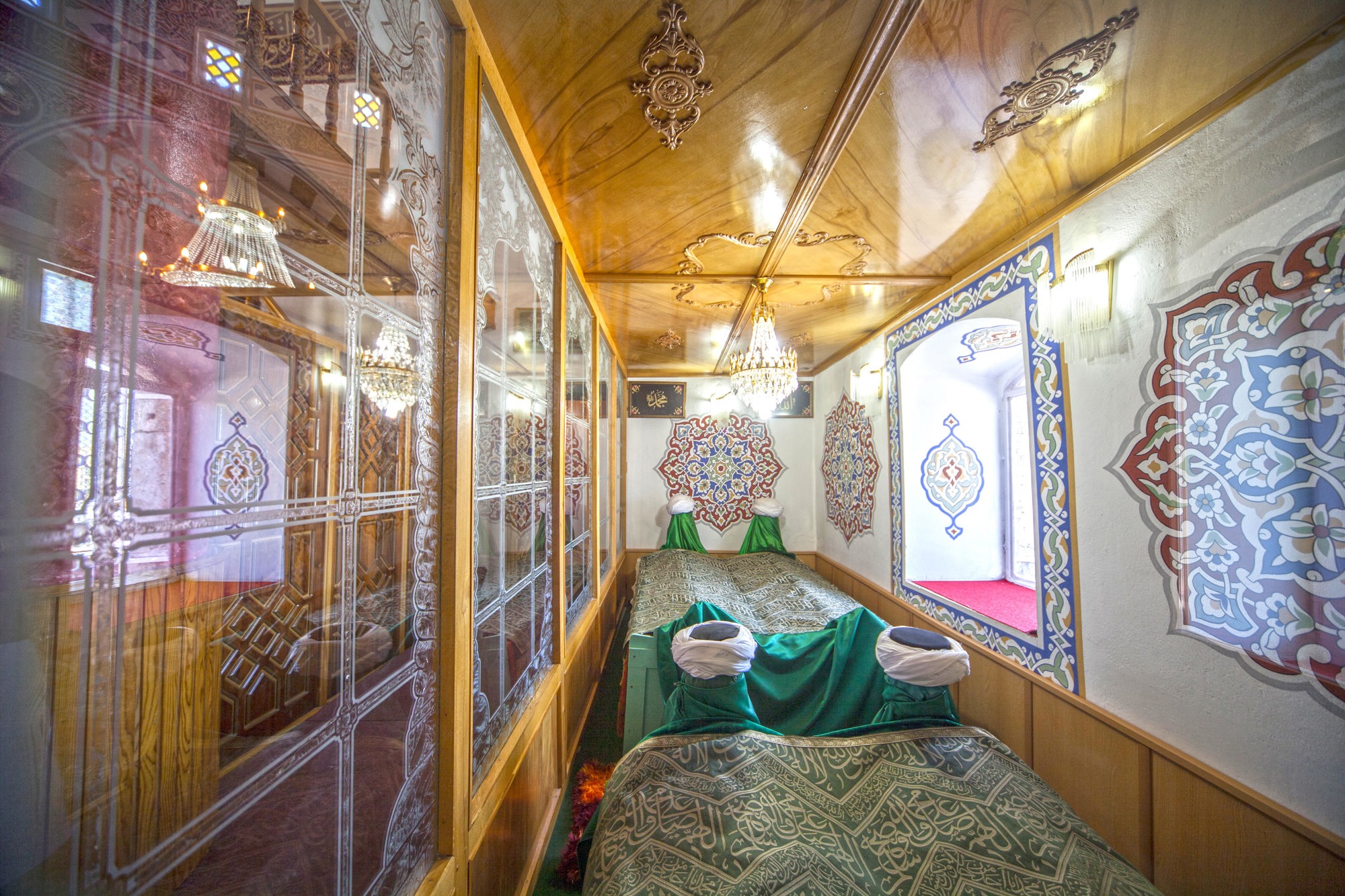
The exact period in which Abdülvehhab Gazi lived has not been definitively established. Known among the people as “the Standard-Bearer of the Prophet,” Abdülvehhab Gazi is regarded as one of the key figures associated with the spread of Islam in Anatolia. In this regard, the mausoleum is a place of pilgrimage with both historical and spiritual significance.
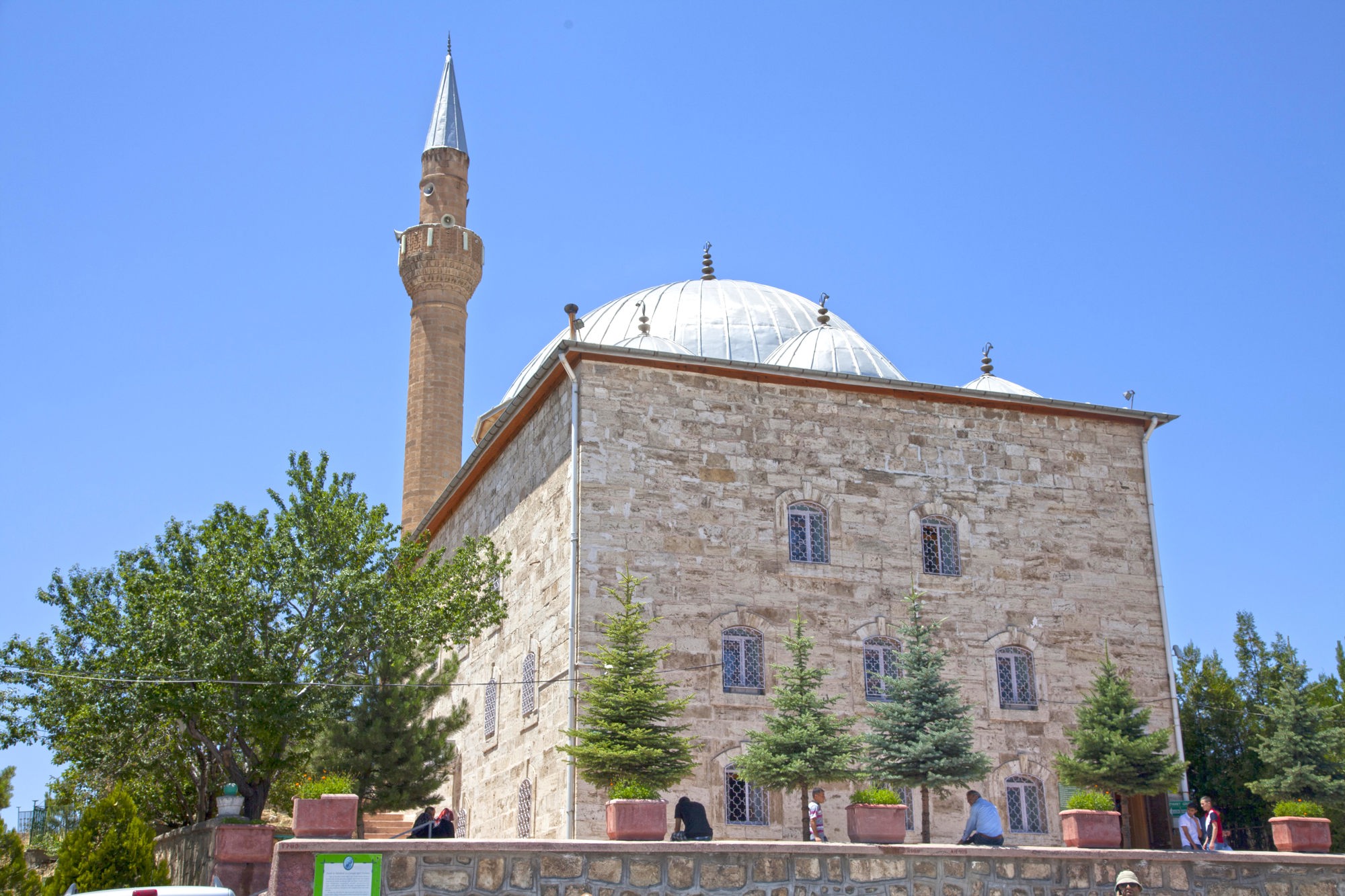
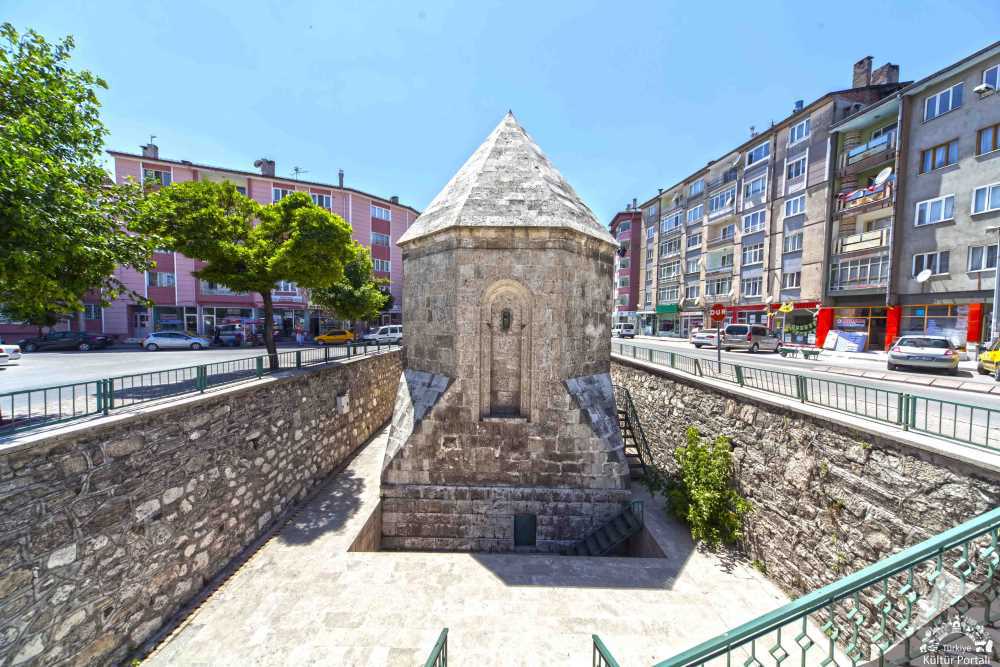
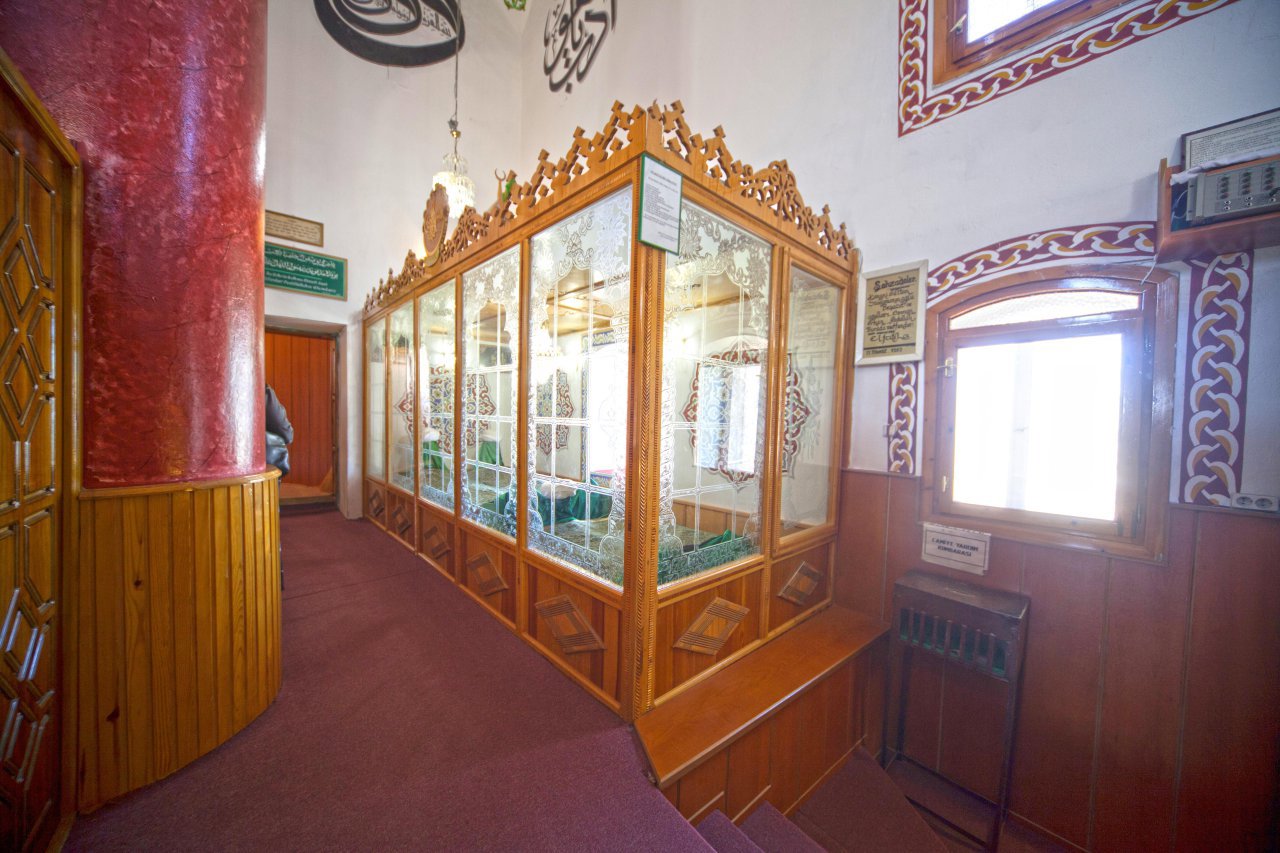
Built of stone with an octagonal plan, the mausoleum has undergone numerous restorations over time. A mosque was later built next to the mausoleum. This wooden mosque has also been restored at various times and has survived to the present day.
In 1325, Çaçıkoğlu Şerafettin established a waqf to ensure the continued use of the mausoleum and mosque. Later, in 1482, it was restored by Bayezid II, and in 1740, Sivas Governor Zaralızade Mehmet Pasha had the mosque restored once again, renewed the endowment deed, and had water brought to the site.
The Abdülvehhab Gazi Mausoleum is one of Sivas’s key destinations for religious tourism. The structure attracts attention not only for its architectural features but also for the legends passed down among the people and the deep respect held for Abdülvehhab Gazi. Today, the mausoleum is visited by people who wish to pray and experience its spiritual atmosphere.
 Back
Back