 Back
Back
Ahi Emir Mausoleum
It is located on Arap Şeyh Street, east of the Behram Pasha Inn and the Kurşunlu Bathhouse.
Sivas
435 views
Mausoleums
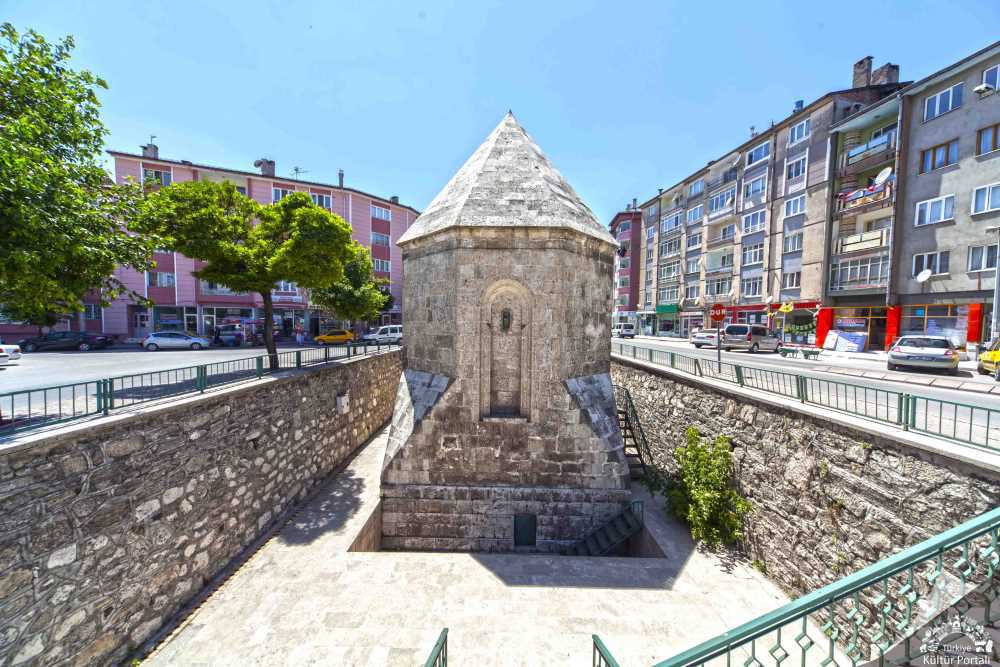
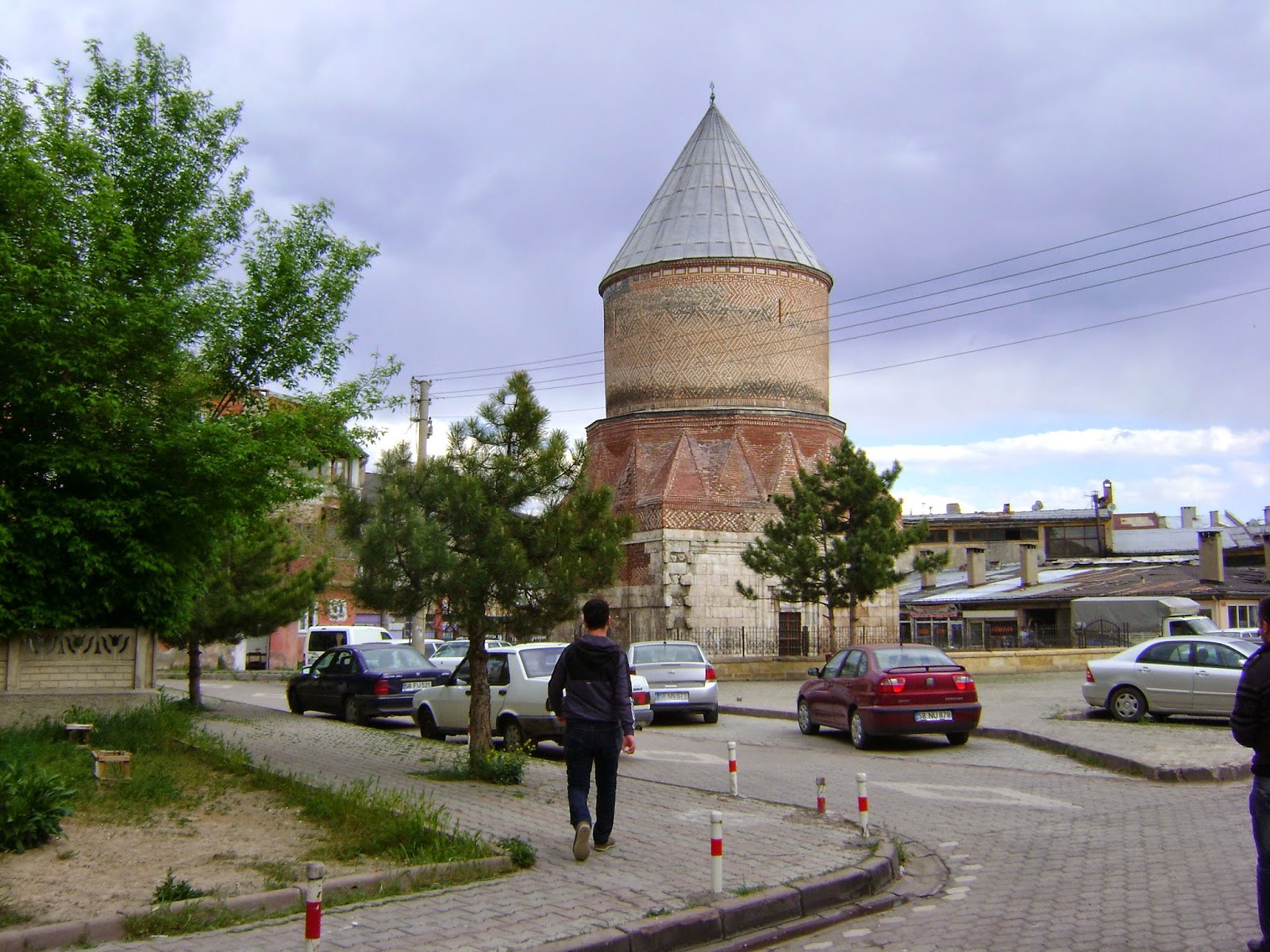
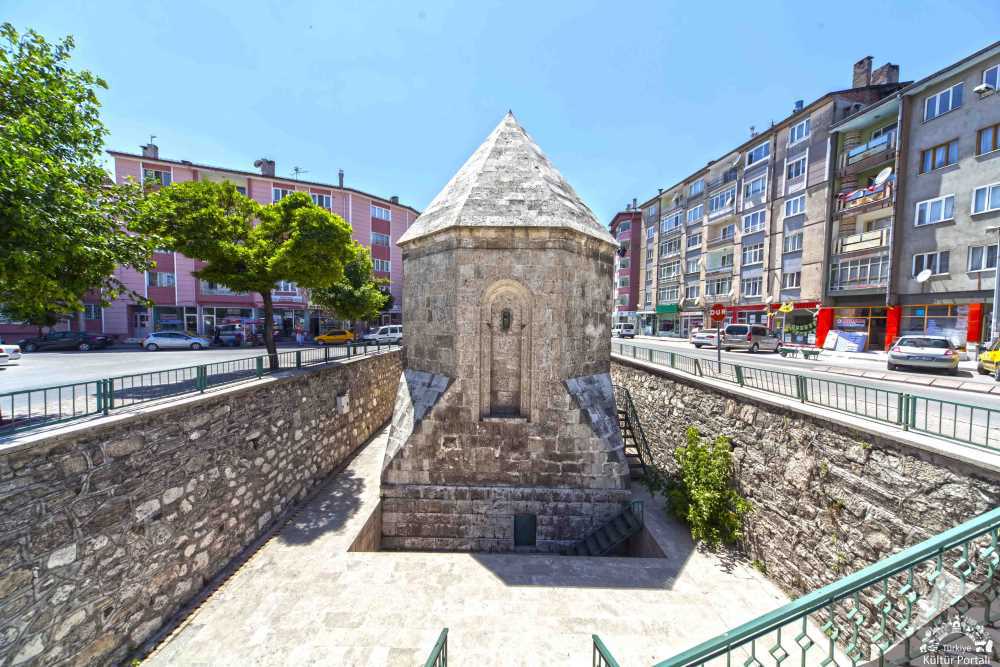
The Ahî Emir Mausoleum is dated to the first half of the 14th century based on its building materials and architectural features. Constructed of cut stone, the structure features an octagonal body resting on a square base. The transitions from the base to the body are formed by chamfered inverted triangles. The entrance to the burial chamber on the lower level, which is covered by a cross vault, faces east.
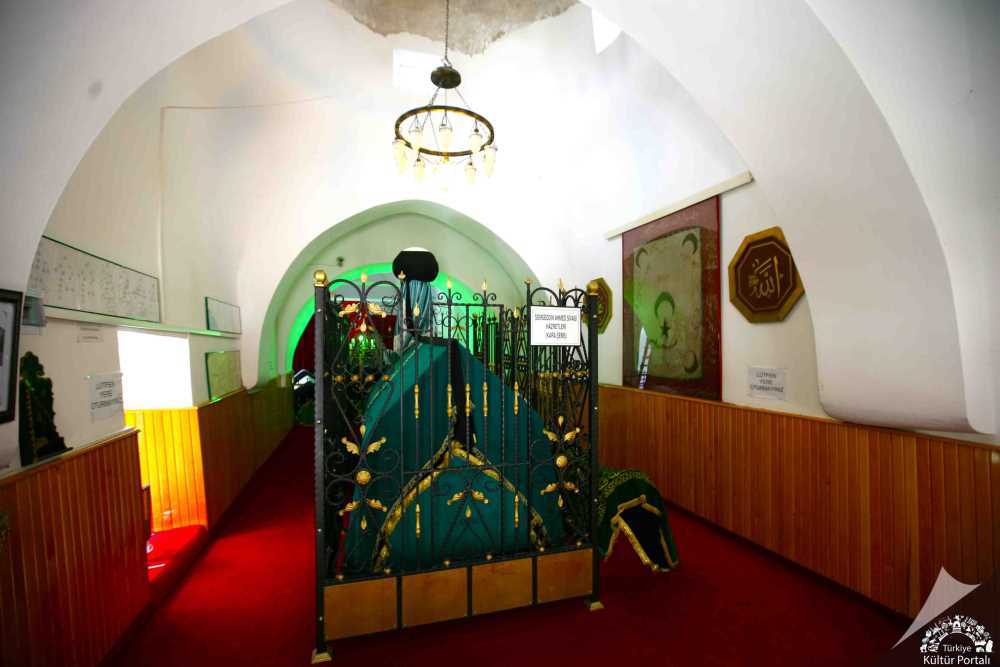
There are window openings on the east and west sides of the mausoleum. The structure underwent various restorations between 1985 and 2005. During the restoration carried out between 1985 and 1991, the sarcophagus—which had been in a fragmented state—was restored, and the bones were carefully reassembled and placed back into the sarcophagus.
The structure is named after Ahî Emir Ahmed bin Zen el-Hac, one of the prominent Turkish Ahis of his time. Believed to have lived during the second half of the 13th century and the first half of the 14th century, Ahî Emir Ahmed migrated from Khorasan to Anatolia. He first settled in Bayburt, then moved to Sivas, where he established a tekke, a zawiya, and numerous endowments.
Ahî Emir Ahmed rendered significant services in the spread of Turkish-Islamic culture in Anatolia, the use of the Turkish language, and the organization of social life. As one of the representatives of the Ahilik tradition, he exerted a significant influence on merchants, artisans, and community life, contributing to the strengthening of mutual aid, solidarity, and moral values.
The Ahî Emir Mausoleum holds an important place within Sivas’s cultural heritage due to its simple architectural features and historical significance. It is a notable destination both for reflecting the Ahilik tradition and for being associated with a figure who left his mark on Sivas’s social and religious history.