 Back
Back
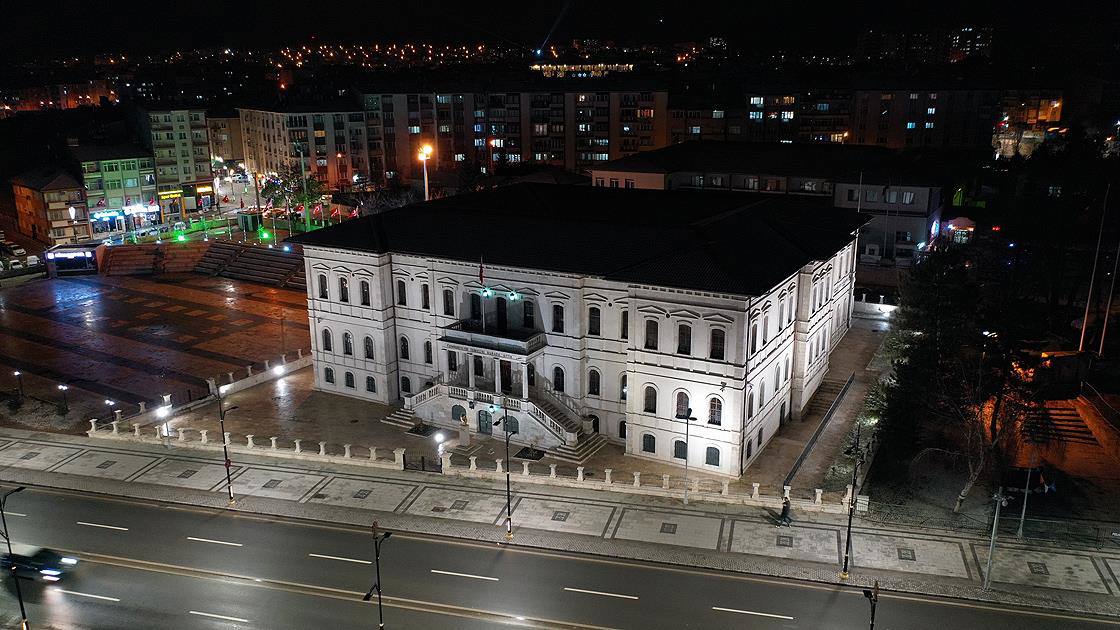
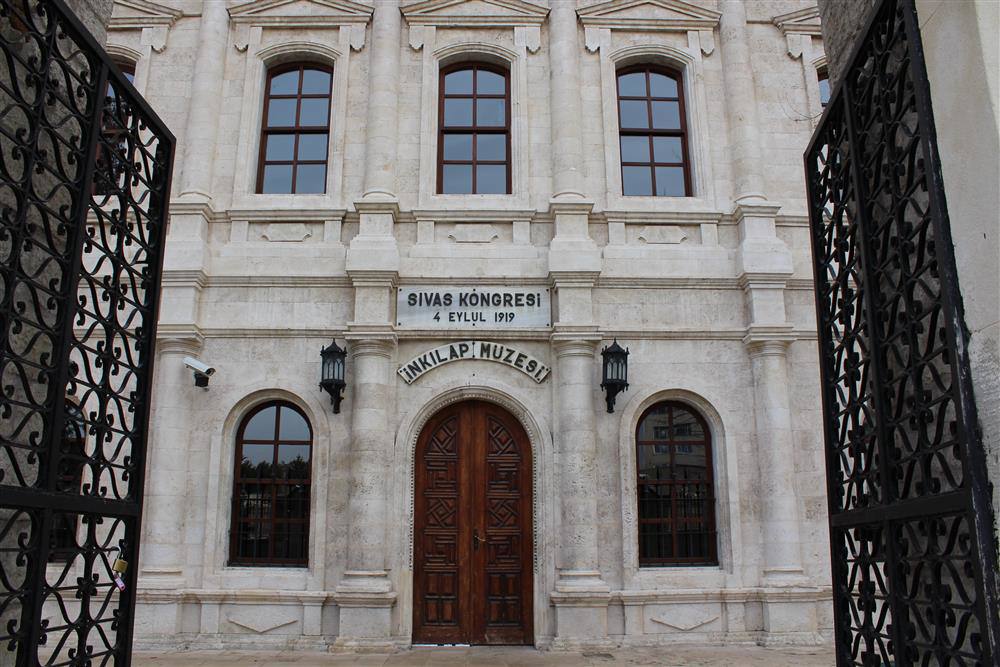
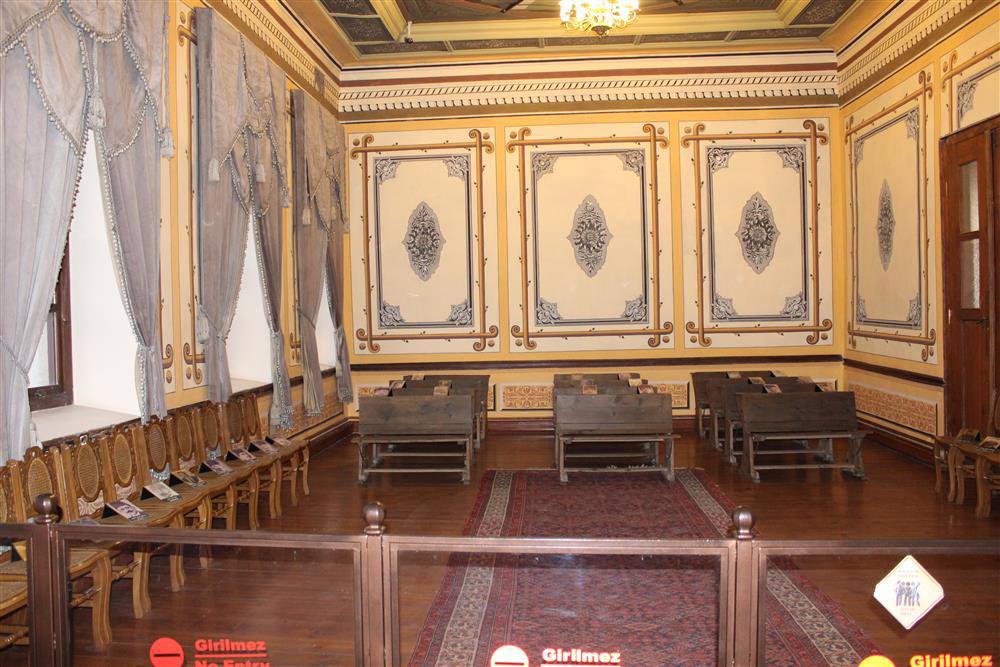
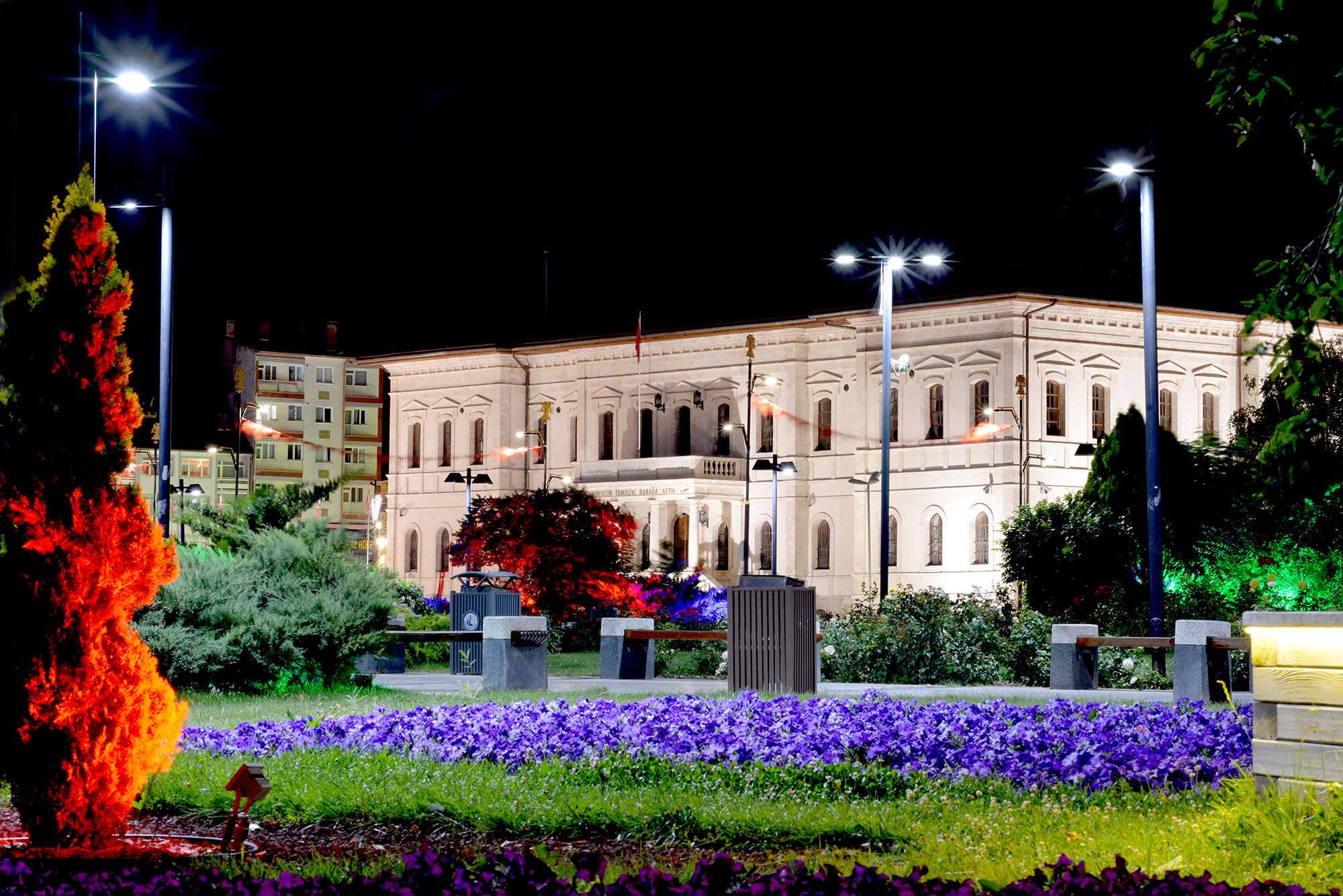
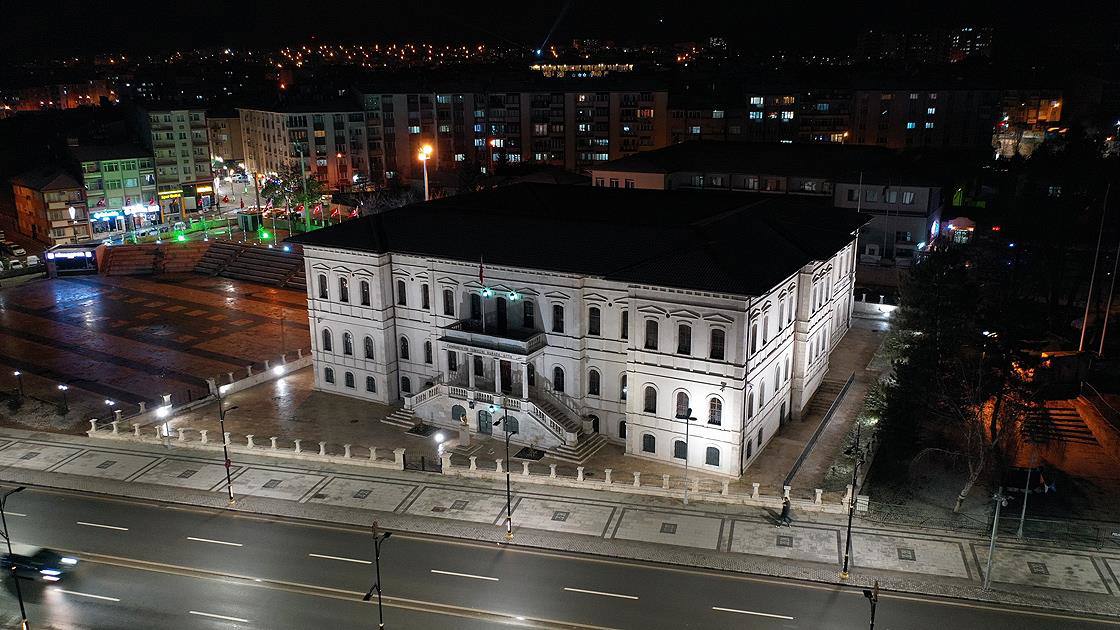
Commissioned in 1892 by Sivas Governor Mehmet Memduh Bey as the Sivas İdadisi, the building was later renamed the Sivas Mekteb-i Sultânîsi and, upon Atatürk’s directive, the Sivas High School. The historic building, designed in the Baroque-Neoclassical architectural style, features a rectangular courtyard at its center. This historic structure, where “decisions paving the way for the liberation of the Turkish nation were made,” served as the headquarters of the National Struggle, and the Sivas Congress convened here from September 4 to 11, 1919. After Mustafa Kemal Pasha and the Representative Committee departed for Ankara, this historic building served as the Non-Commissioned Officers’ School, Sivas High School, Congress High School, and the Atatürk Congress and Ethnography Museum. It was restored in 2016 and began operating under the name Atatürk and Congress Museum.
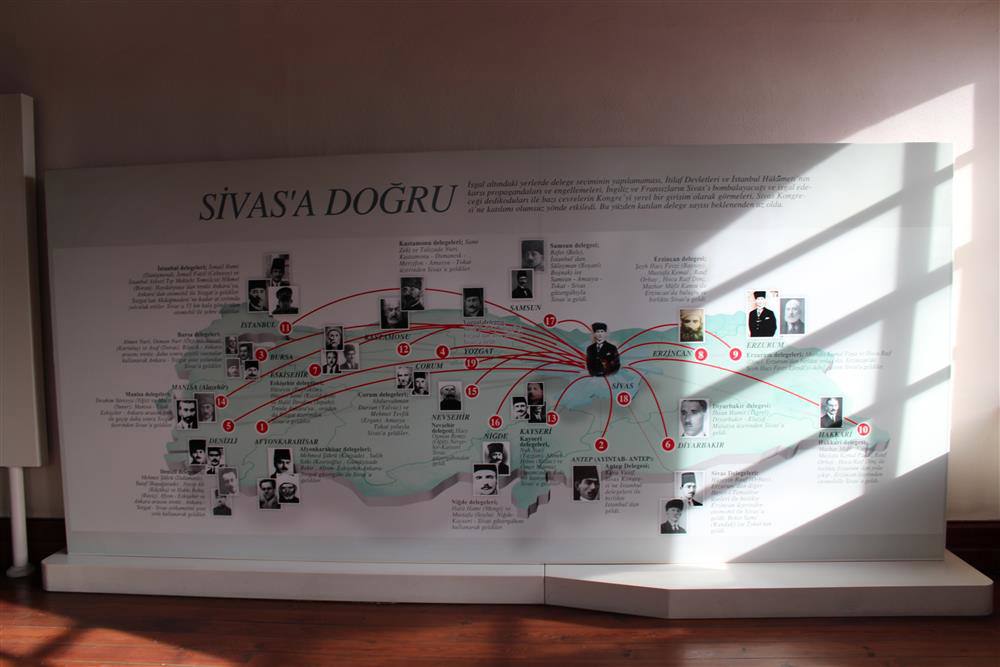
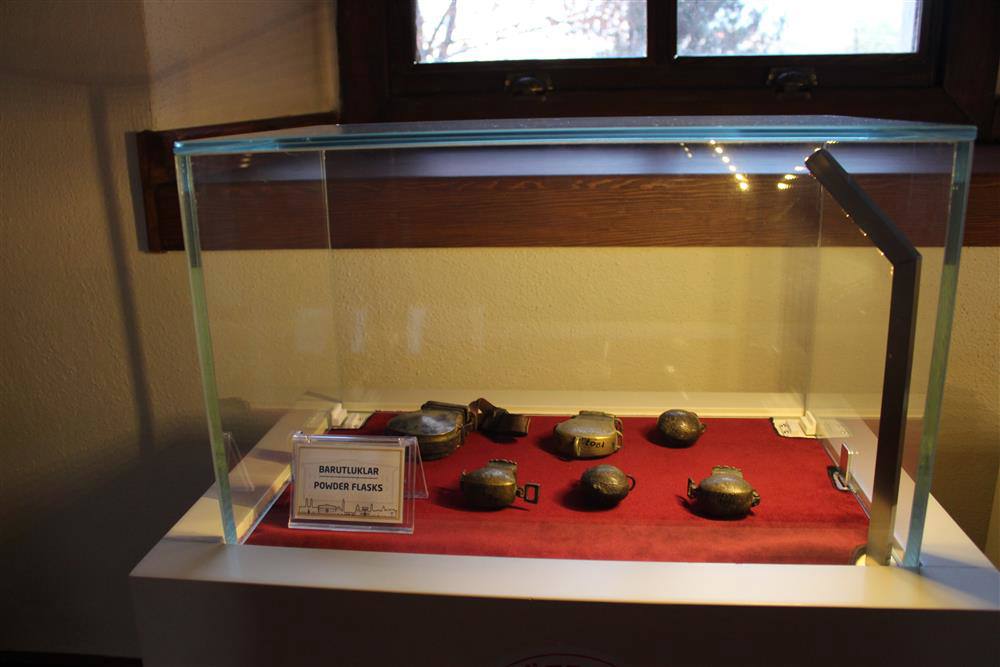
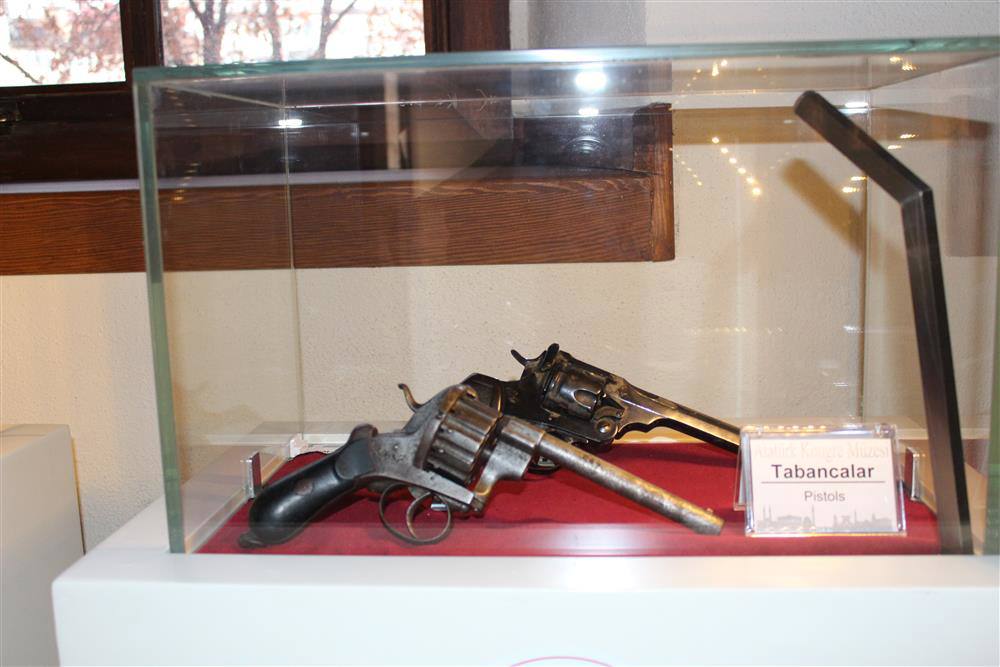
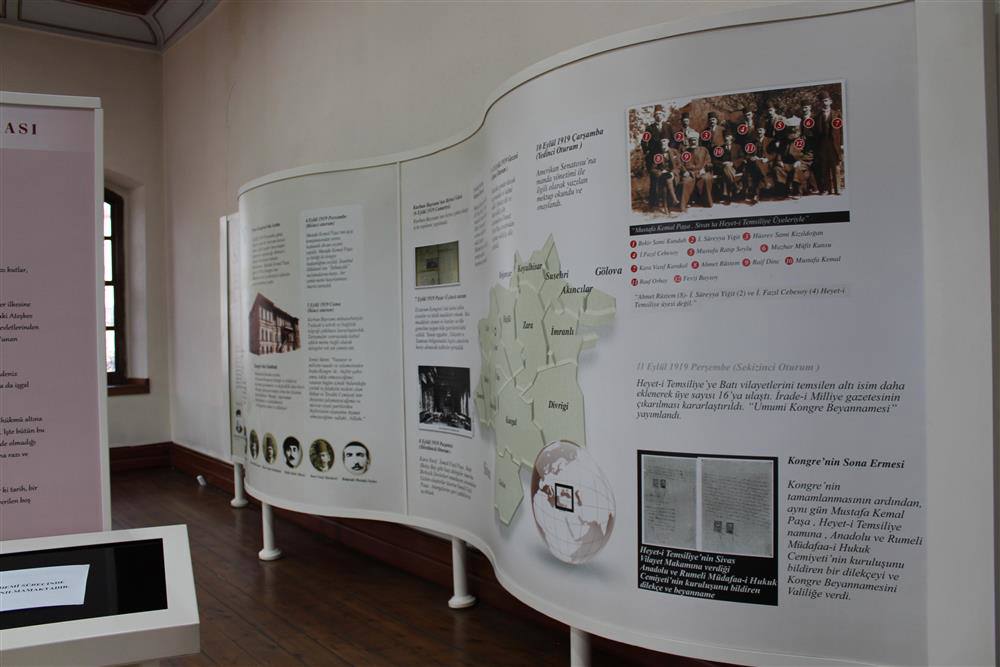
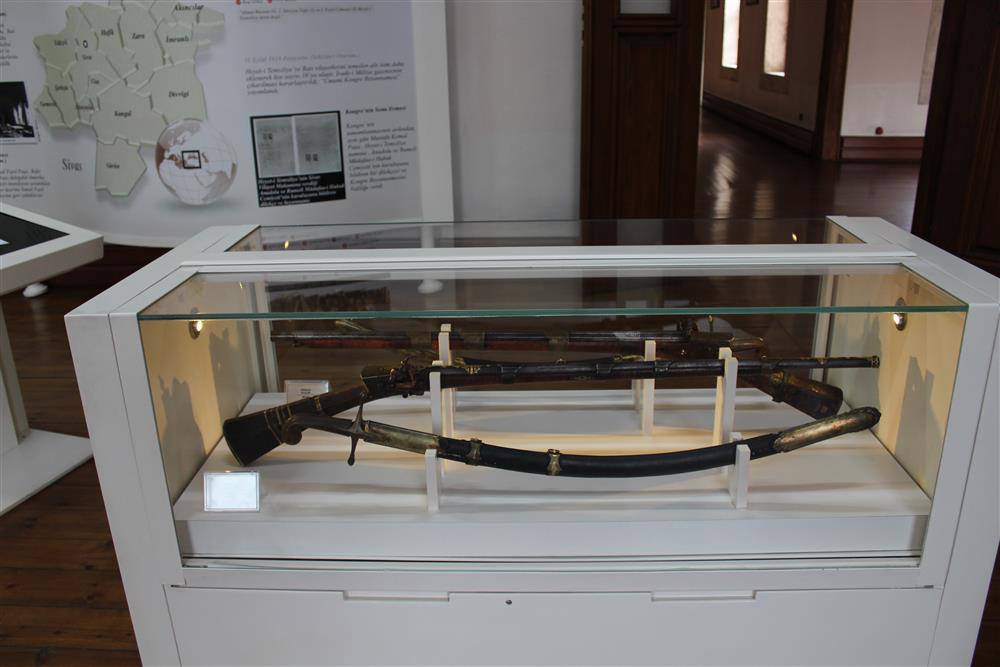
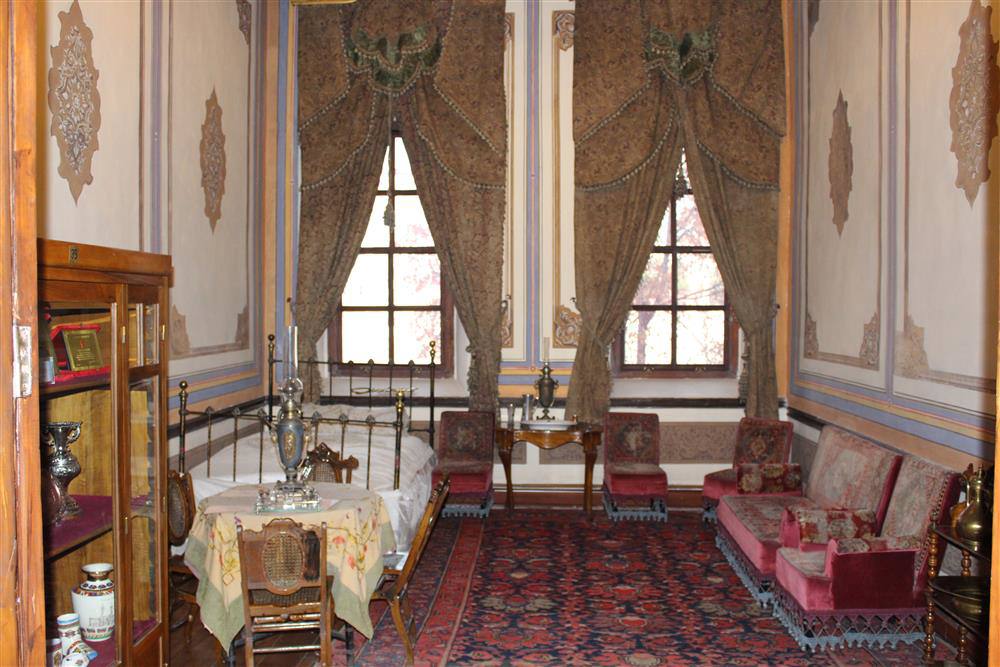
Inside the museum, visitors can explore the historical developments leading up to the Sivas Congress, the room where security was maintained, the life of Mustafa Kemal Pasha, the telegraph room where numerous communications were sent, the hall containing the minutes of the Sivas Congress, a room with documents and information regarding the Anatolian Women’s Society for the Defense of the Homeland—headquartered in Sivas— a hall featuring a study showing where the Congress delegates came from and how they traveled to Sivas, as well as buildings and sites in Sivas that bear witness to history, a room displaying the printing press used to print the *İrade-i Milliye* newspaper and copies of the newspaper, among other exhibits.