 Back
Back
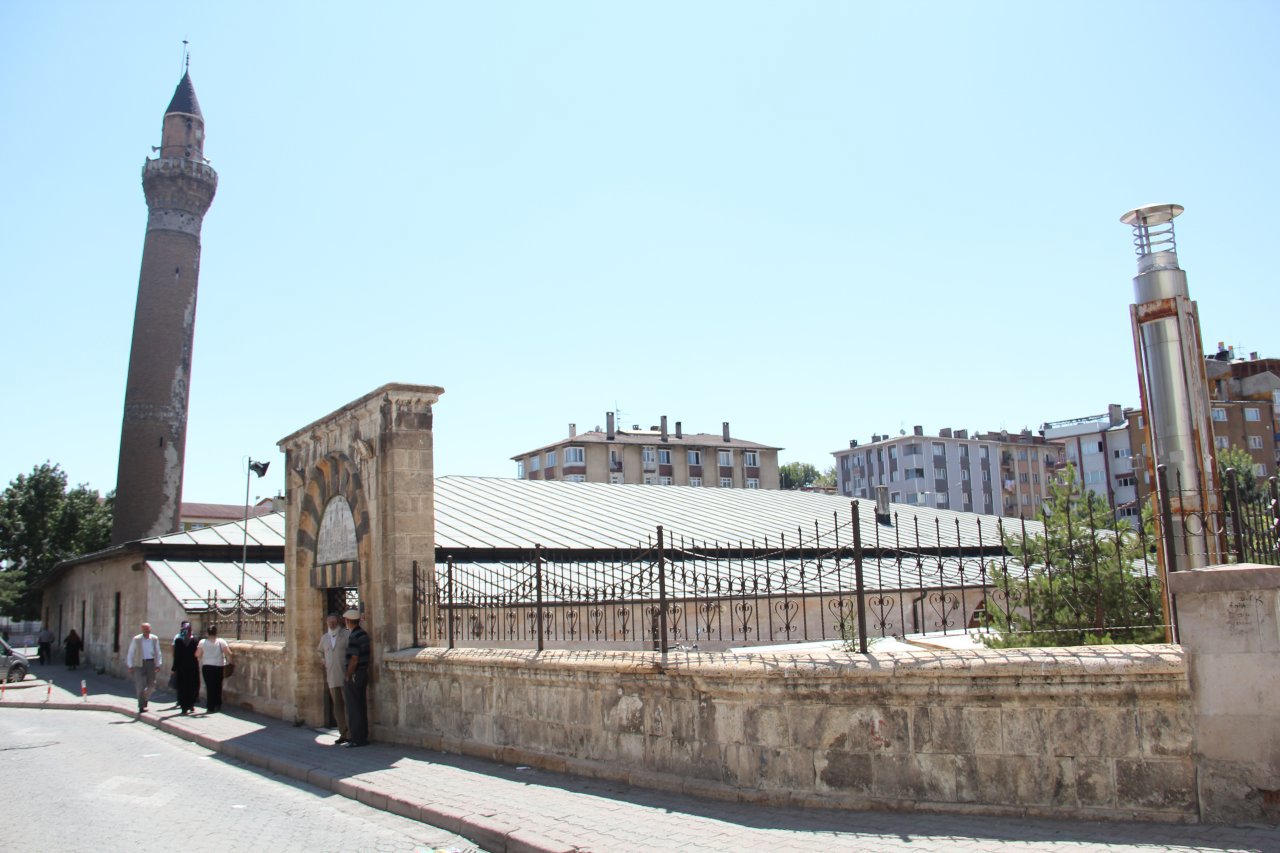
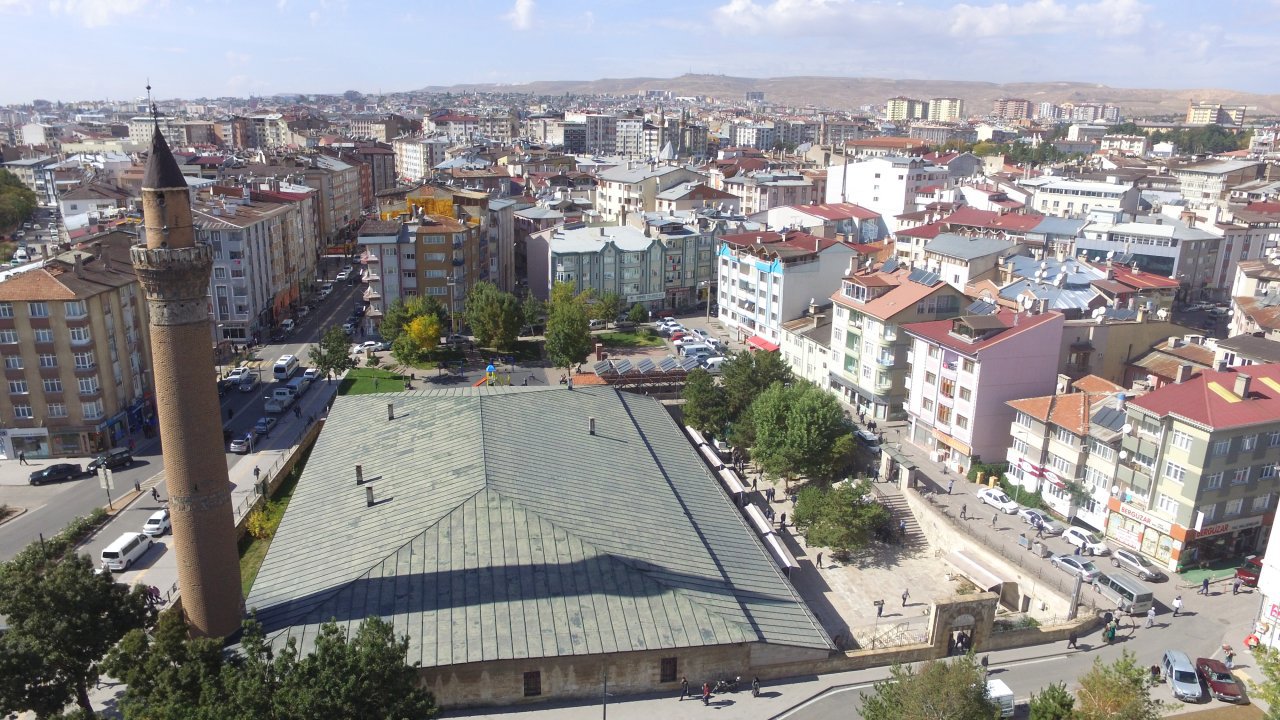
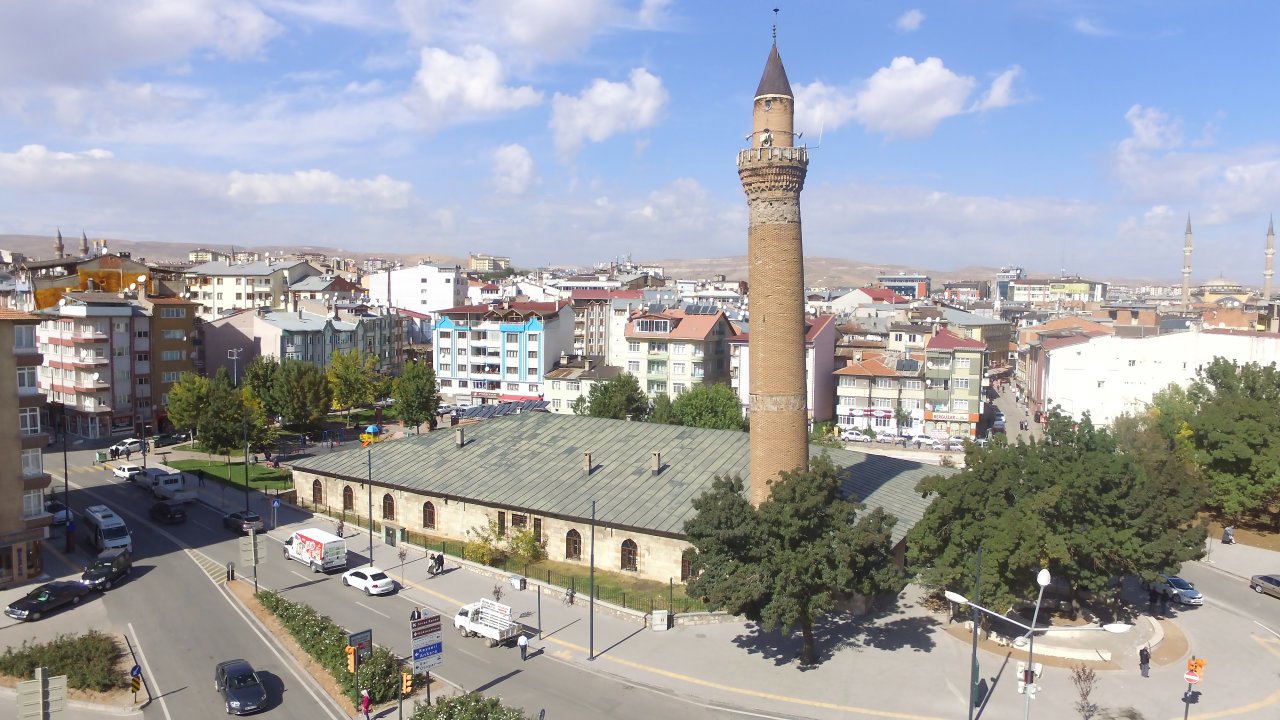
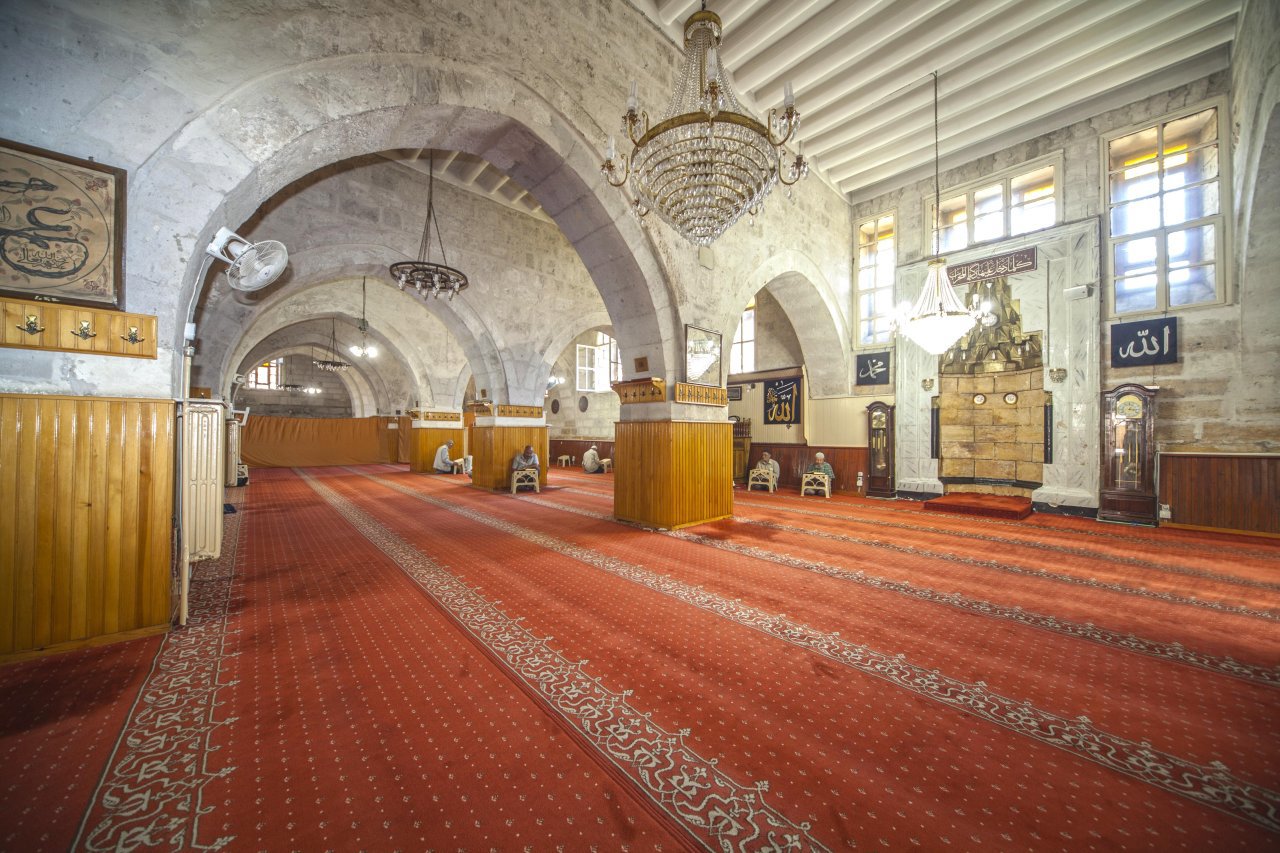
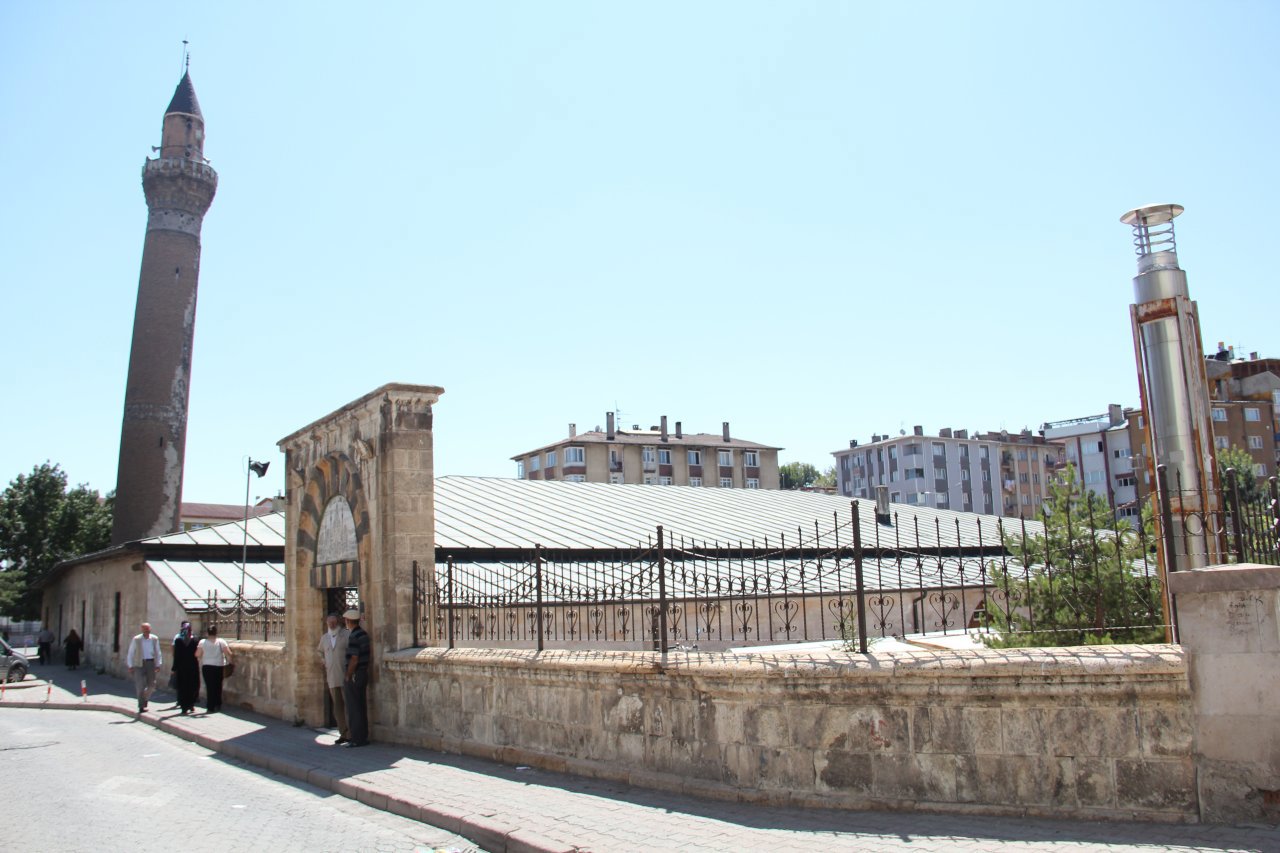
In the history of architecture in Anatolia, this structure plays a significant role in the development of the concept of the mosque interior. It is one of the rare examples of a Kufa-style mosque with a rectangular plan and a flat roof, featuring entrances from three sides to its courtyard. It was built at a time when the concept of the dome had not yet developed. According to some scholars, it is also considered a work from the Danismendid period.
The Danismendids settled in Sivas, Kayseri, and Malatya between 1085 and 1178. Tokat, Niksar Ulu Mosque (1145); Kayseri Ulu Mosque (mid-12th century); Tokat Yağıbasan (Çukur) Madrasa (1151–52); the Niksar Melik Nizamettin Yağıbasan (1157–58), the Niksar Kulak Tekke and its Tomb; and the Melik Danişmend Tomb in Türbe Village, Pınarbaşı, Kayseri, are among the Danişmendid works.
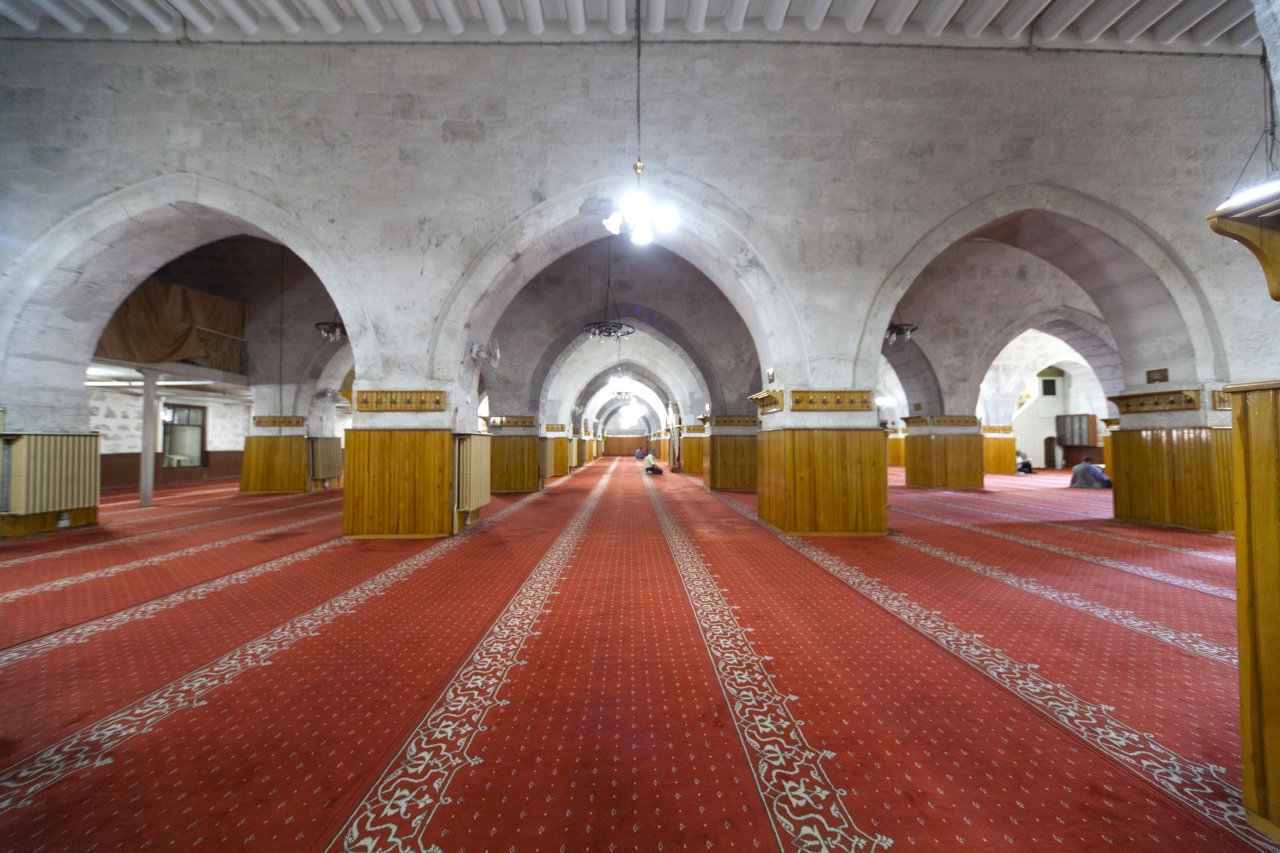
Although the Danişmentids came under Seljuk rule in 1178, structures built in their name continued to be erected until the end of the century. The Sivas Ulu Mosque can also be considered one of the significant works of the Danişmentid Period. The main prayer hall is accessed through three separate doors: one in the exact center of the north wall and one near each corner. The main prayer hall features 50 hewn-stone, rubble-masonry columns arranged in eleven bays running perpendicular to the Qibla (south wall) along the north-south axis; these columns are connected to one another by pointed arches. The central bay, which extends along the axis of the mihrab, is slightly wider than the others.
The Ulu Mosque has interior dimensions of 54.70 x 33.70 meters. The main entrance and the other doors of the structure are unadorned. Above the original mihrab, uncovered during the 1955 restoration, there are decorations forming squares created by intersecting octagons with geometric lattice motifs, with arms extending from the edges of two interlocking octagons. During the restoration, the mihrab’s decorations were simply arranged using stone. Aside from seven rows of muqarnas-adorned arches that taper upward, no other decorative elements are visible. The Ulu Mosque has a cemetery dating back to the Ottoman period, consisting of 28 graves. According to an inscription uncovered during the 1955 restoration, it was commissioned by Kızılarslan bin İbrahim and built by Kul Ahi during the reign of Kutbettin Melikşah in 1196–97.