 Back
Back
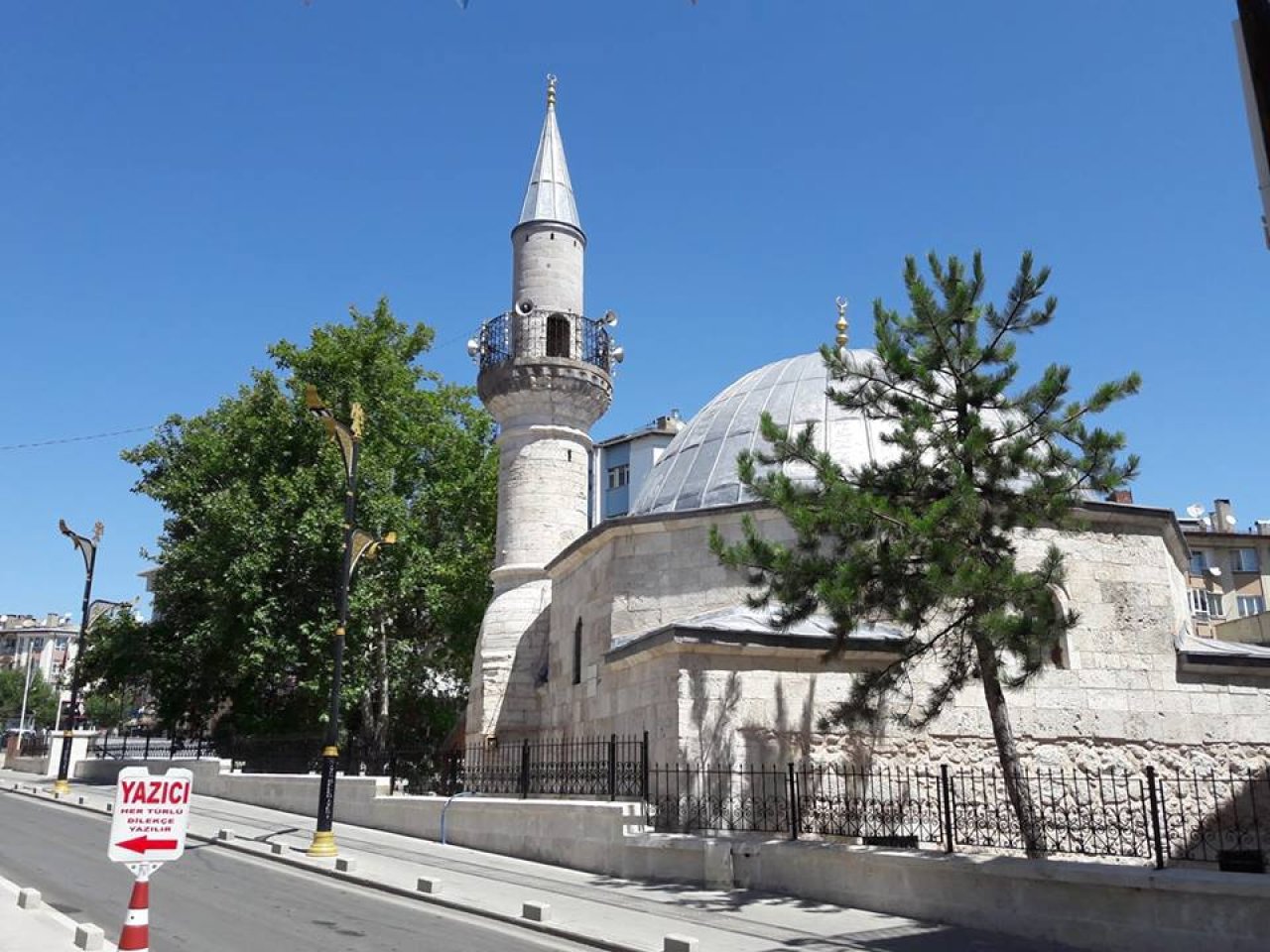
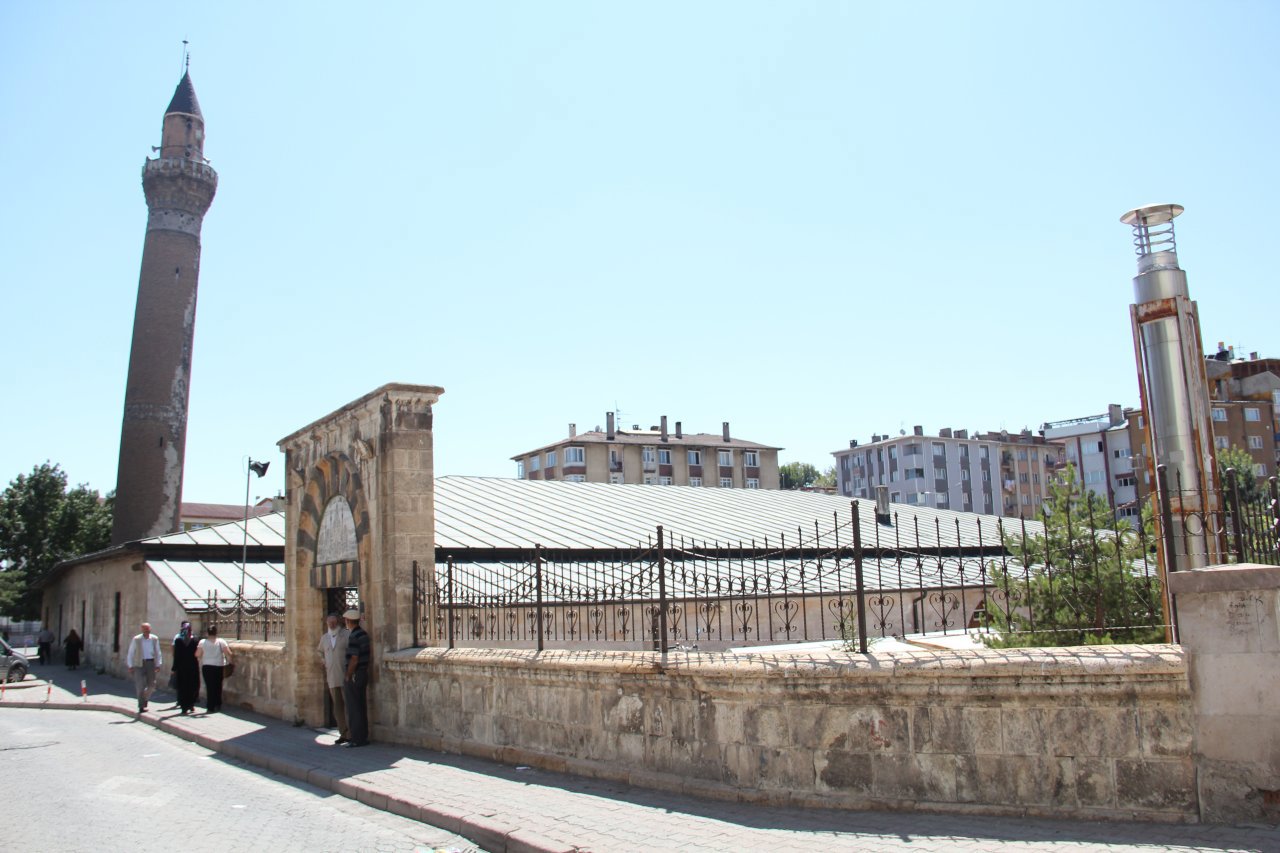
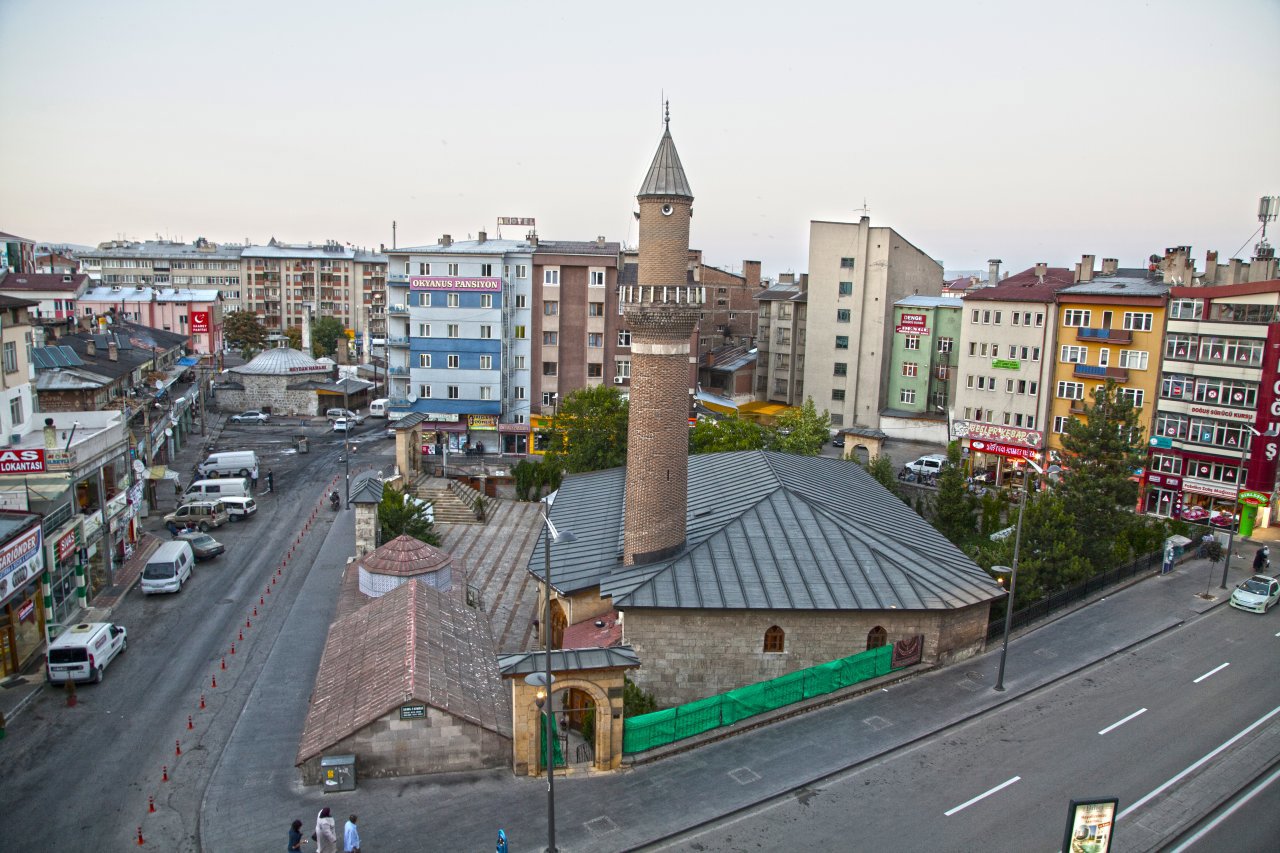
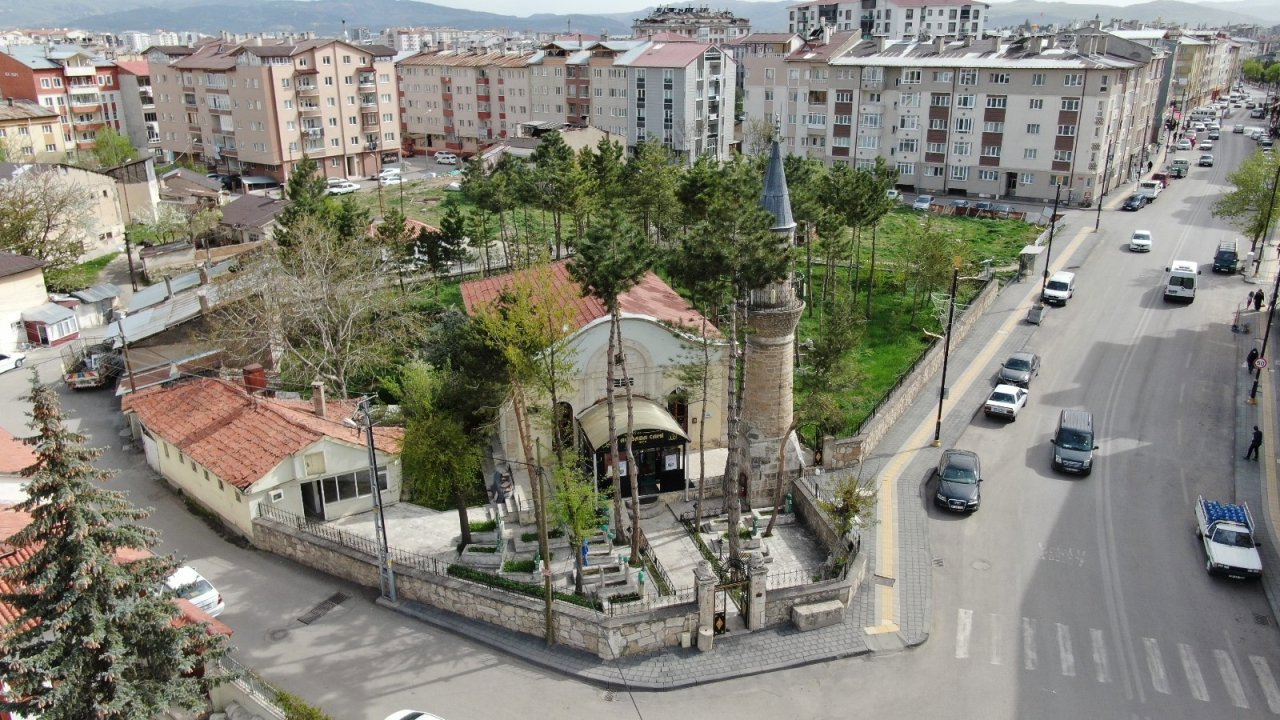
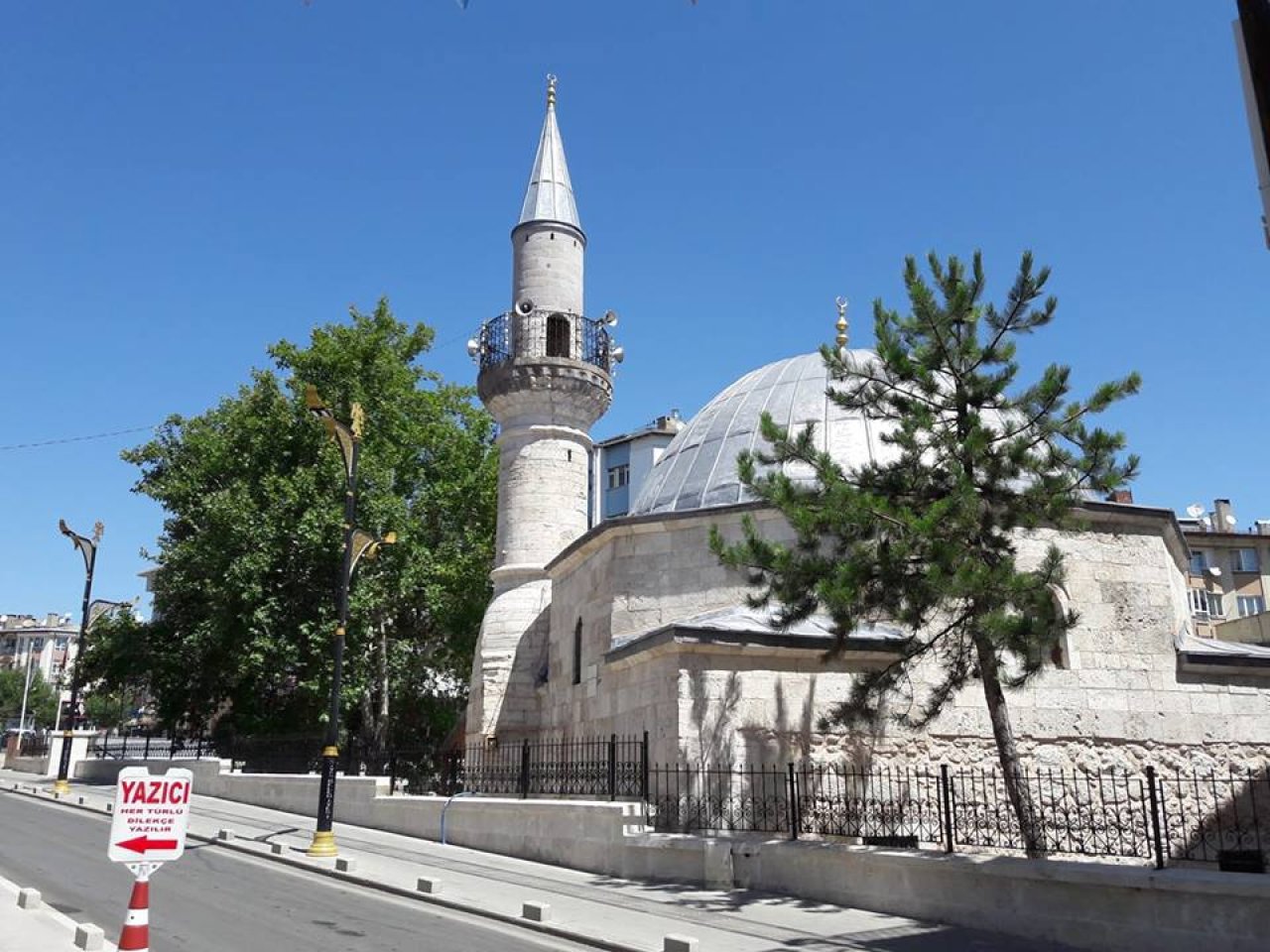
The exterior walls are constructed of cut stone; although some sources indicate that the prayer hall originally had three domes, it now has a flat roof. It is one of the classic mosque types of the Ottoman period in Sivas
This mosque was commissioned by Mustafa Bey, the son of Behram Pasha, who also commissioned the Kurşunlu Hamam; however, Rıdan Nafiz-i explains the reason it is called Ali Ağa. Hakkı Uzunçarşılı explains in his work *The City of Sivas*: “When the mosque was completed, Mustafa Bey sent his servant, Ali Ağa, to the mosque to invite the congregation attending the evening prayer to his mansion across from the mosque. Ali Ağa waited at the door after the evening prayer and asked the congregation which verse the imam had recited during the prayer; he received the correct answer from three people. Ali Ağa then invited these three people to dinner. Mustafa Bey asked why the congregation was so small, and Ali Ağa replied, ‘The congregation was large, but these were the only ones who knew what the imam had recited.’ Pleased with this, Mustafa Bey ordered that the mosque be named after Ali Ağa.
The following inscription in ta’lîk script was recently placed above the door: “This sacred mosque was built by Behrâm Paşa-zâde in 998 (1589).”
Below this inscription, where there used to be a fountain inscription, there is now another inscription belonging to Mustafa Bey. Written in the Âdâ ta’lîk script, the inscription reads:
“This very fountain, fragrant with the scent of loyalty,
And dedicated to God for the sake of God
Mustafa Pasha caused it to flow to many places
And Allah has made it a blessing here
Drinking from it, we give thanks on this date
Praise be to God, may He be glorified.”
According to the calculation based on the last line of the inscription, the fountain near the mosque was also built a year after the mosque, that is, in the year 999 (1590).
In the cemetery of the Ali Ağa Mosque, the mosque’s founder, Hacı Mustafa Bey, and his son Ebubekir, as well as Tefsîrî Mehmed Efendi and the late İsmail Sefâ, are buried.