 Back
Back
Dârüşşifa
One of Anatolia's oldest healthcare facilities, dating back to 1228
351 views
UNESCO World Heritage
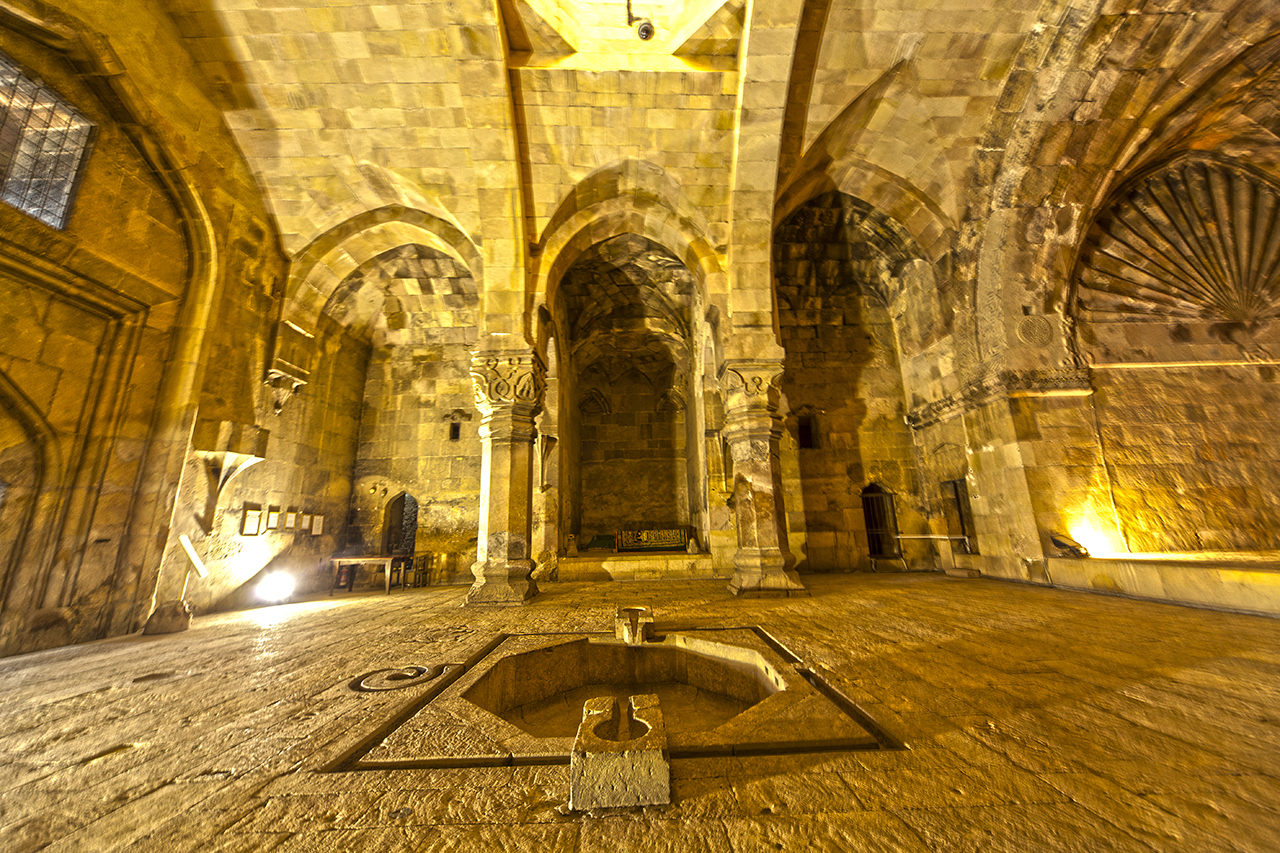
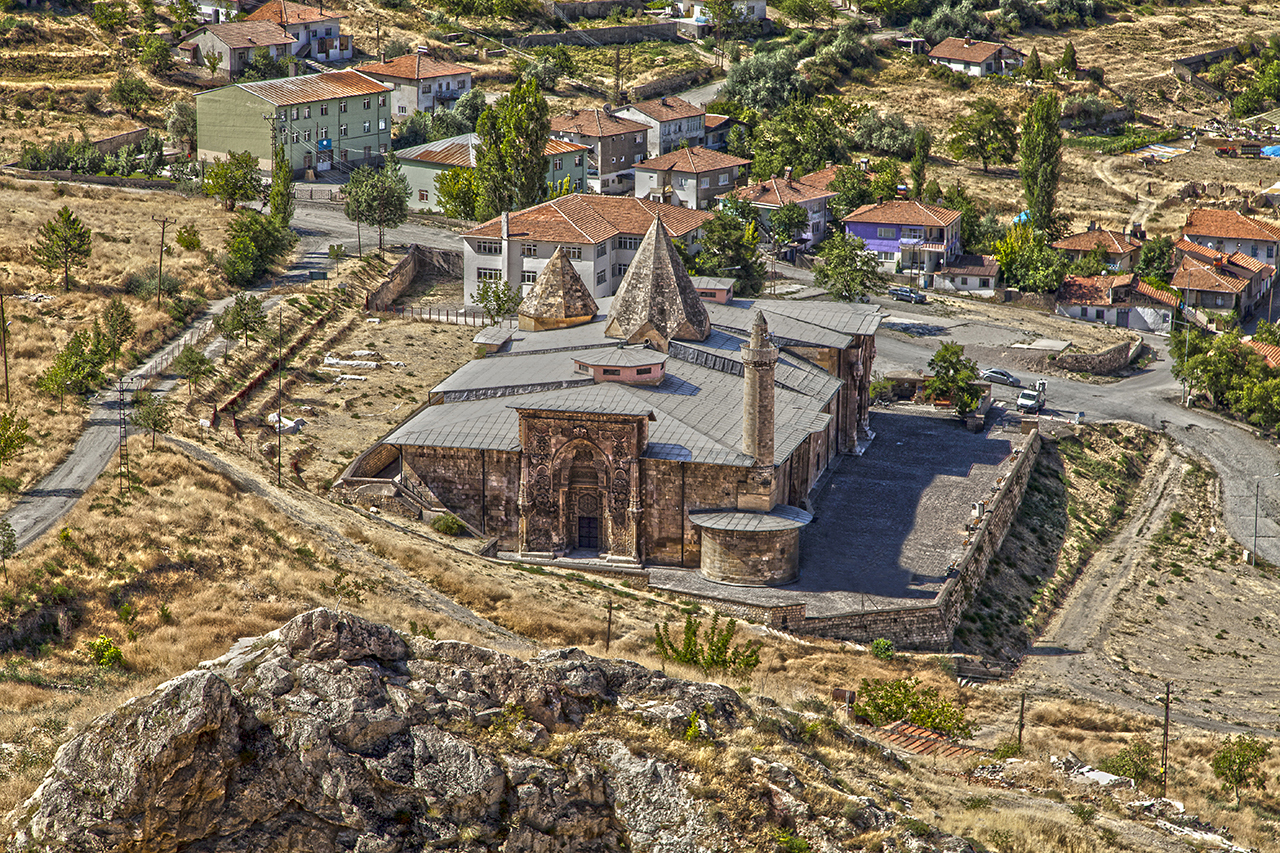
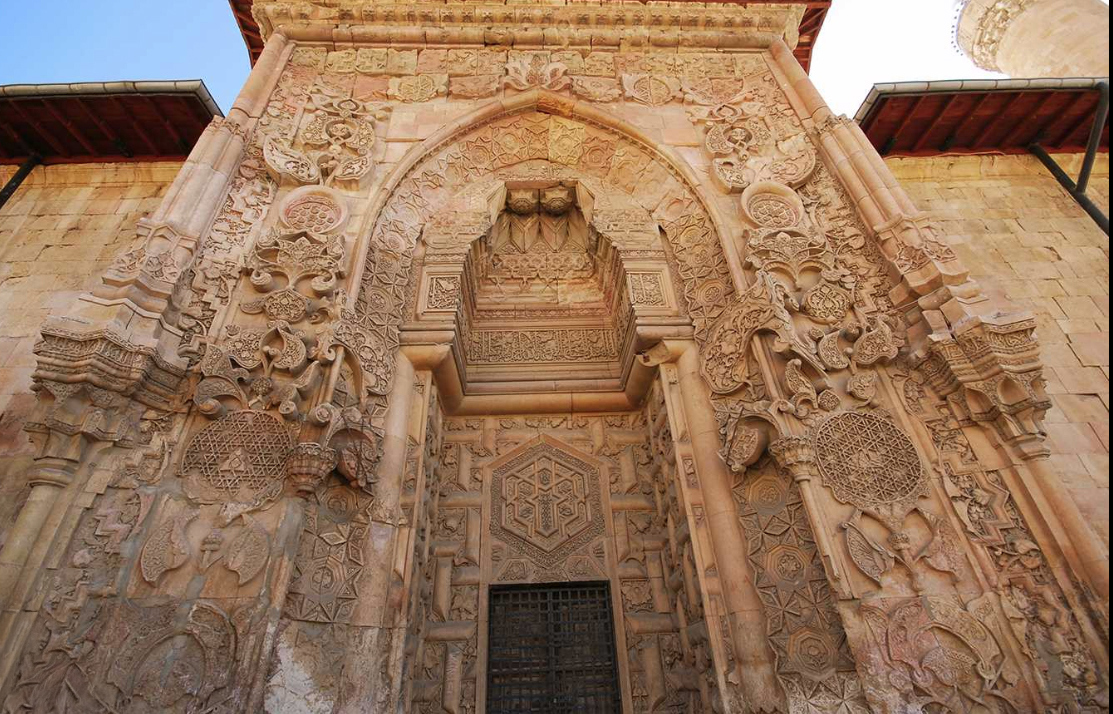
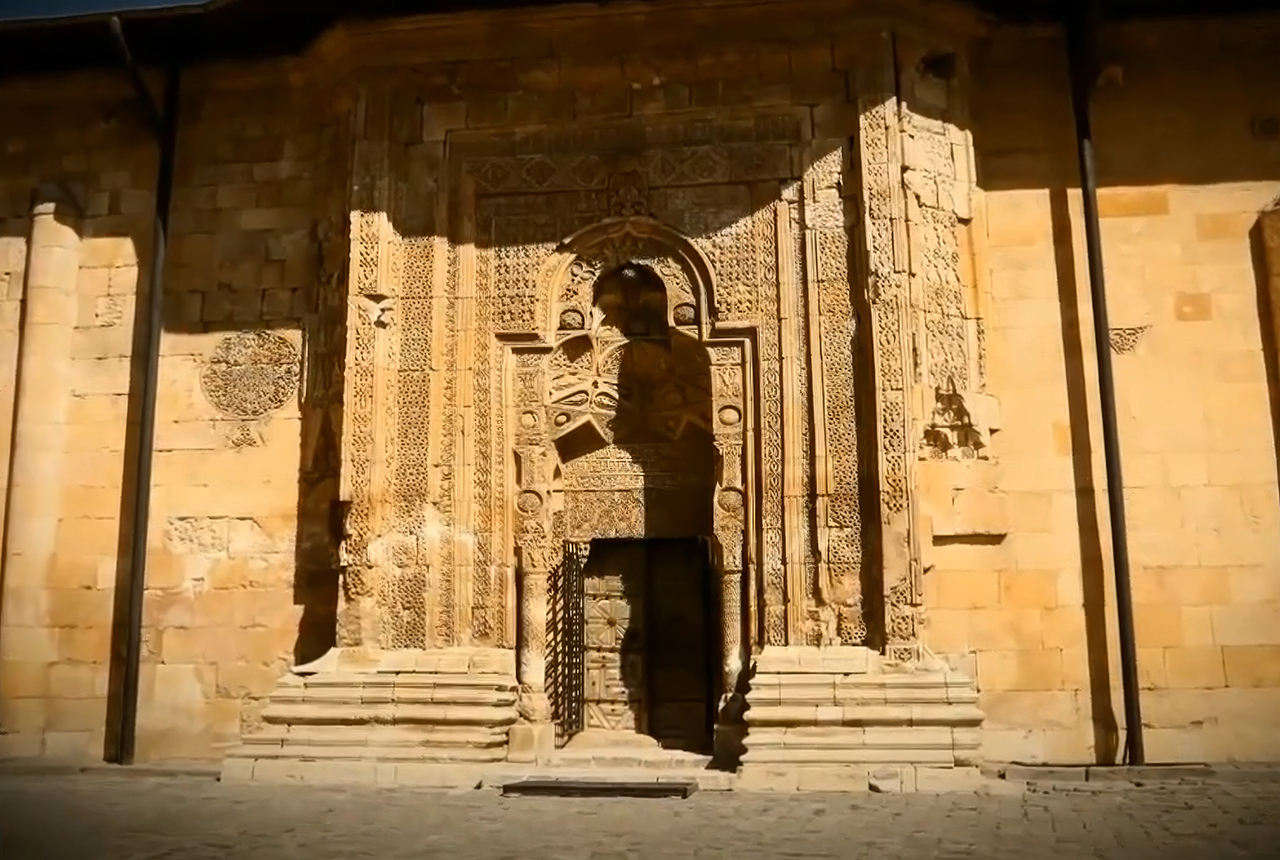
This historic mosque and hospital is located in the Divriği district of Sivas. It is listed on the UNESCO World Heritage List.
The mosque was built in 1228–29 by Ahmed Shah, the ruler of the Mengücekids; The Darüşşifa, on the other hand, was commissioned around the same time by Turan Melek—the wife of Ahmed Shah and daughter of Fahreddin Behramşah, the ruler of Erzincan—and built by an architect named Hürrem Shah, son of Muğis from Ahlat.
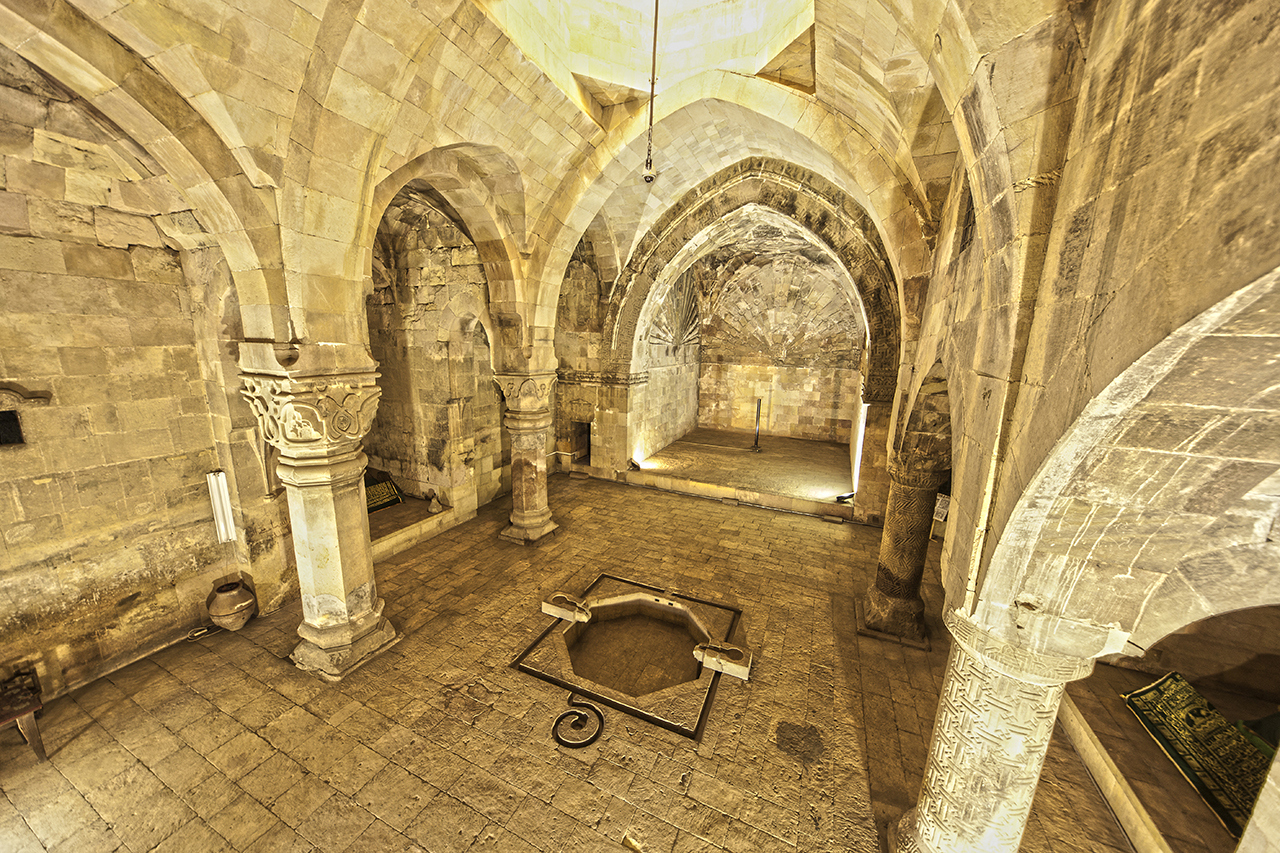
The Darüşşifa is built against the southern wall of the mosque. Its central section is covered by a skylight dome and consists of four iwans, including the entrance. A mausoleum is located in the northeast corner of the Darüşşifa. The Divriği Ulu Mosque and Darüşşifa were inscribed on the World Heritage List in 1985, making them the first architectural structures from Turkey to be included on the list.
The Divriği Ulu Mosque and Darüşşifa are located within Divriği National Park, which was designated as Turkey’s 50th national park in 2024.
Designed in the form of a general hospital, the interior of the hospital was used for the treatment of mental and neurological patients. Inside, there are patient rooms on both sides, small iwans, and a large iwan directly opposite the main entrance. The chief architect succeeded in creating an acoustic effect through the fan motifs and vault carvings in the large iwan.
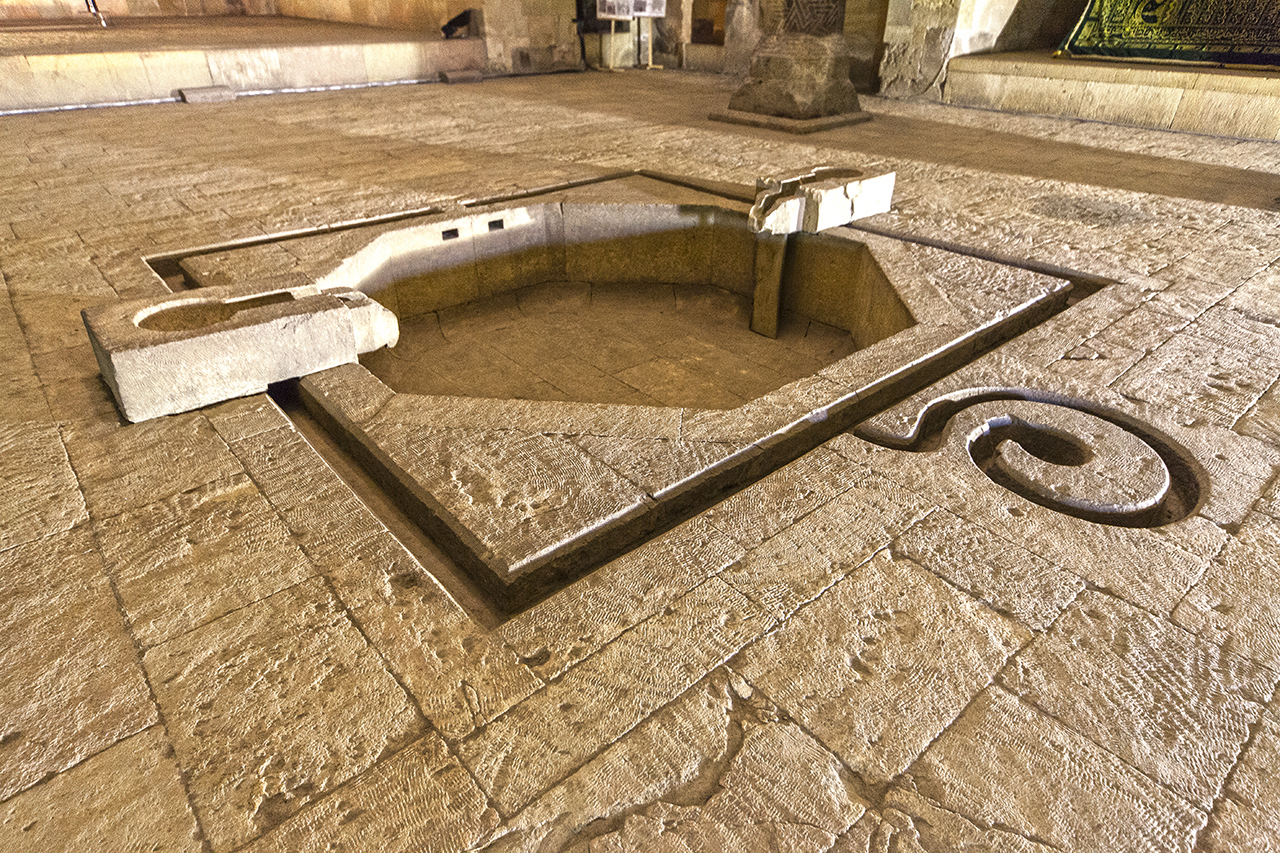
Recitations from the Holy Quran, performances of Sufi music, and the sounds produced by water flowing into and draining from the central pool were among the methods used in the treatment of patients with mental and neurological disorders. These sounds were transmitted to the patient rooms on the right and left sides of the Darüşşifa in amounts sufficient for the needs of the patients lying inside, thereby facilitating their treatment.