 Back
Back
Where?
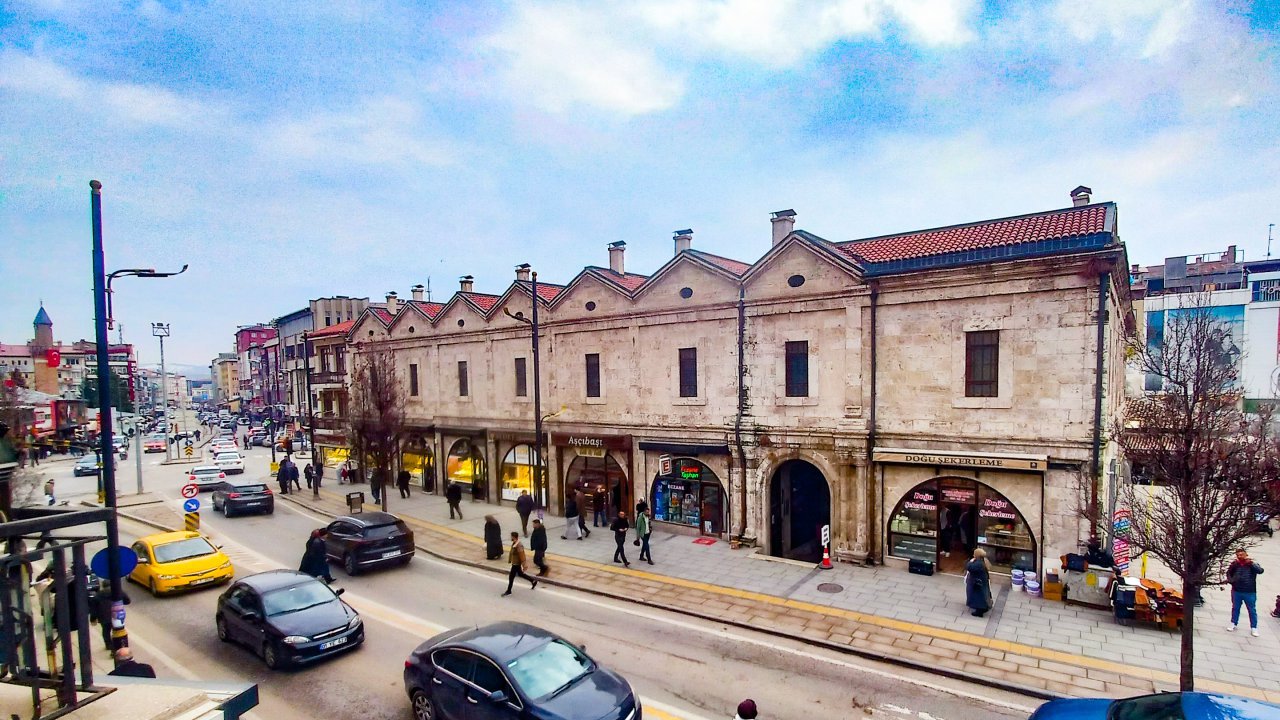
It is located on Yapı Mahkeme Çarşısı Street, across from Taşhan.
How to Get There?
You can reach the building on foot from the historic city square or by car.
Before You Go: This 16th-century structure is a waqf (endowment) of Sivas Governor Lala Sinan Pasha (d. 931/1525). Although the building lacks an inscription, information can be obtained from the records in the Sivas city registry ledgers (Denizli, 1998, p. 140).
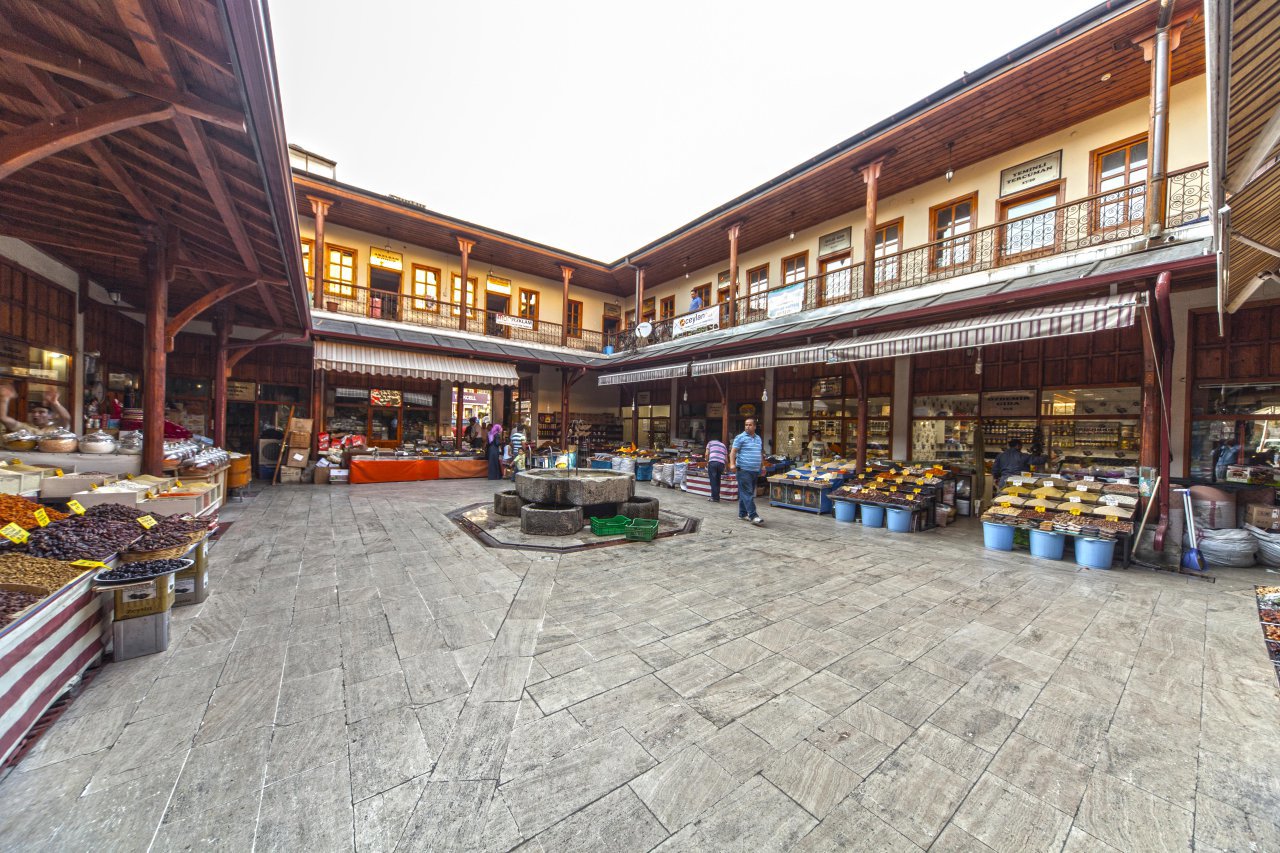
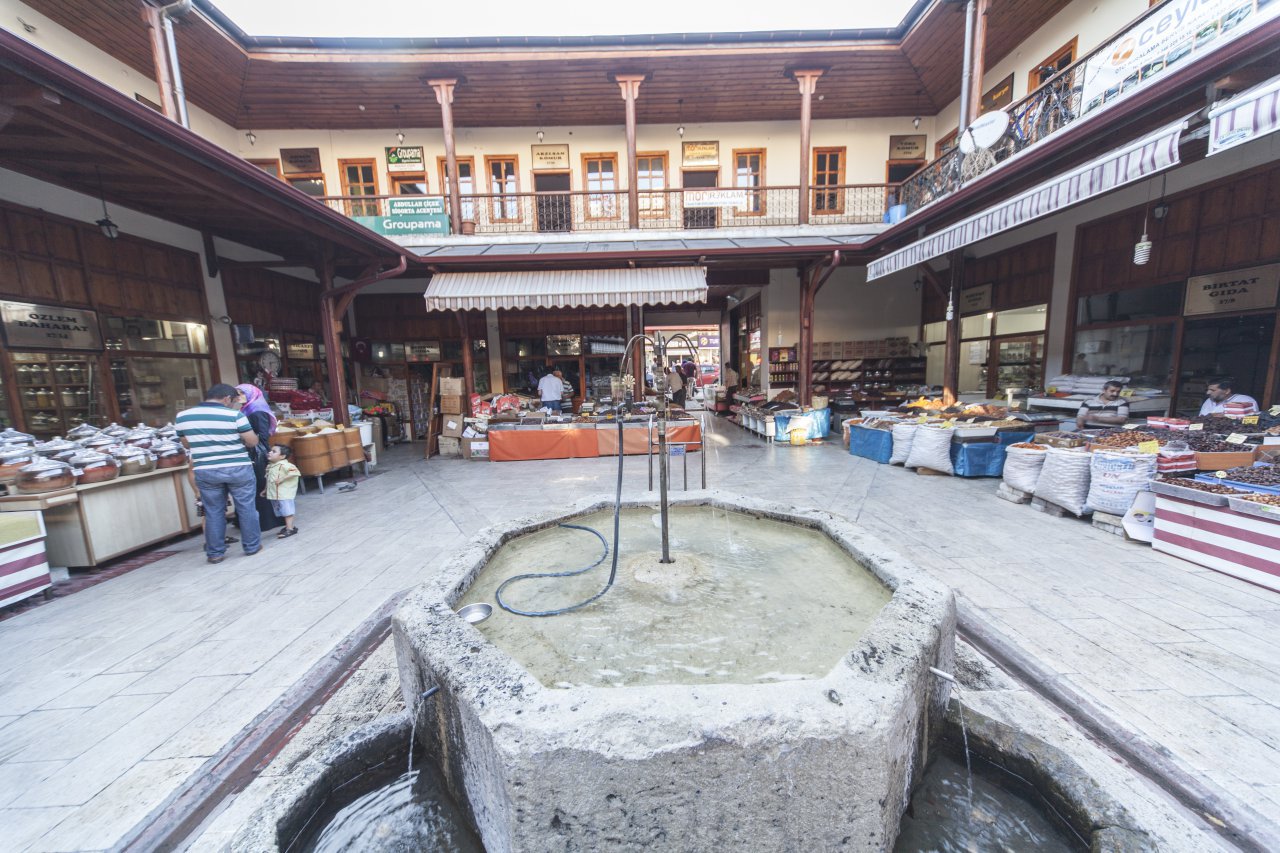
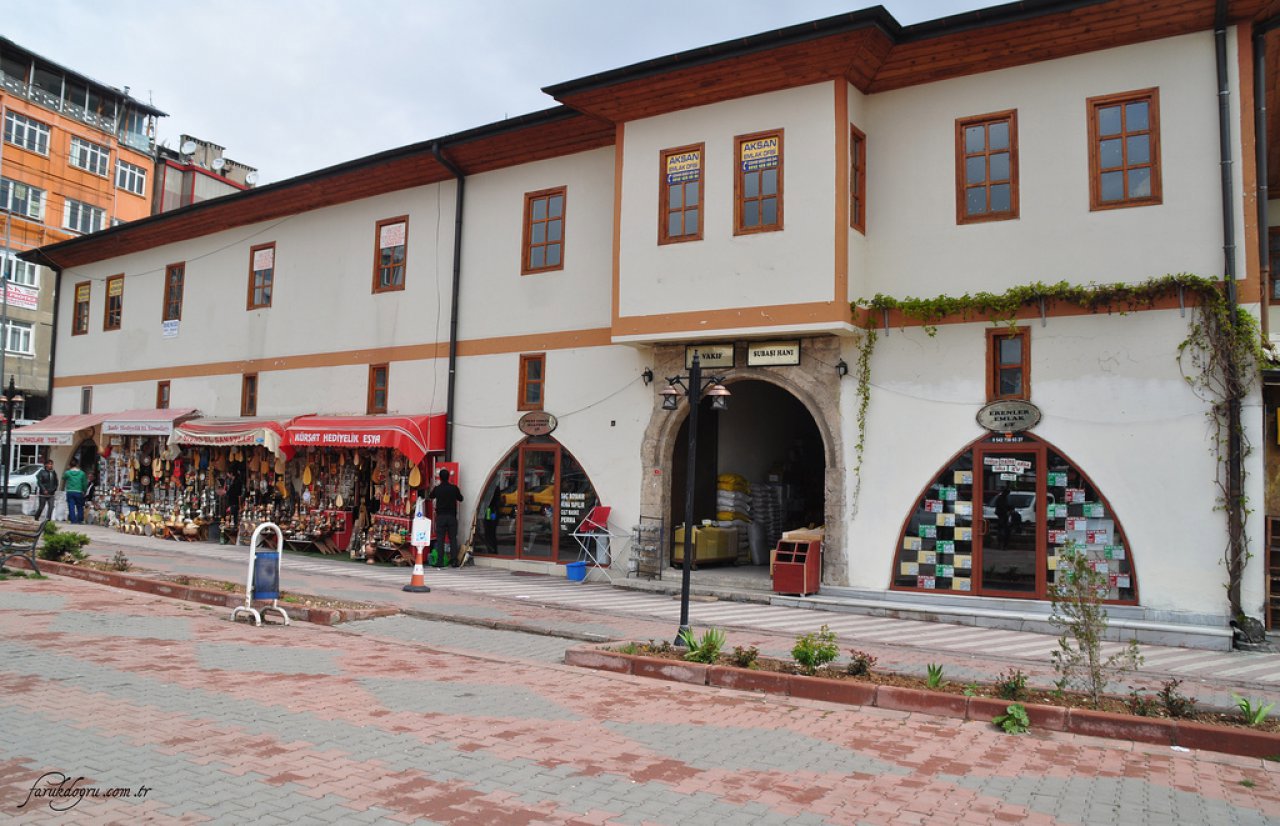
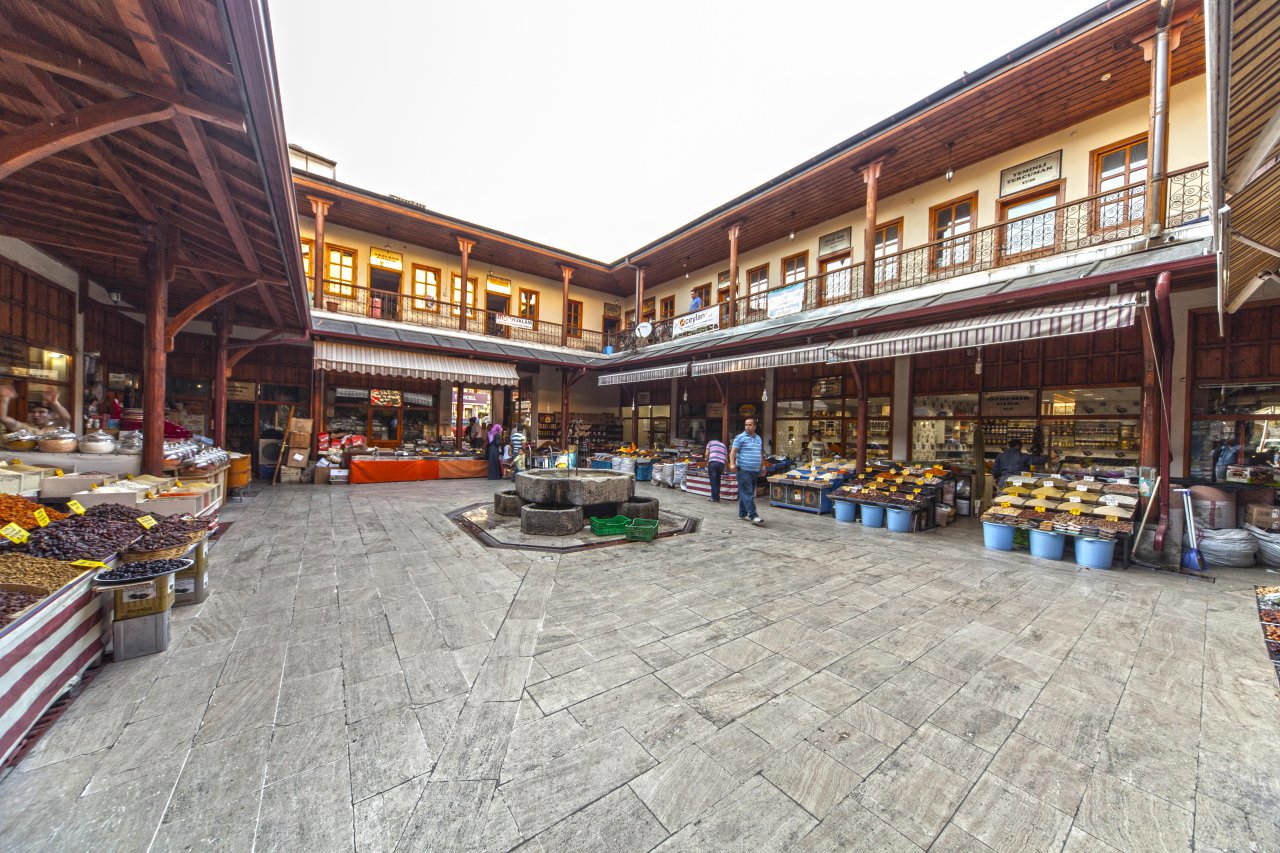
The other section is a two-story, rectangular-plan masonry structure with an open courtyard and a central pool. Enclosed by arcades on three sides—except for the south—the upper floor, behind which shops are located, is used as commercial space. The building is entered through large pointed-arch doors on the south and west sides. The ground-floor shops open onto the courtyard, while the shops along the caravanserai’s outer wall open onto the street. The upper floor and the camel stables are accessed via staircases located on the east side (Bilget, 2009, p. 283).
Key Features of the Destination: The building is a two-story structure with a rectangular plan and an open courtyard. The caravanserai consists of wooden sections added later to an older structure with cut-stone walls at the base. Subaşı Han consists of two sections. The eastern section of the building is a two-story section known locally as the “develik” (Bilget, 2009, p. 283).
Importance of the Destination and Current Status: Today, souvenirs are sold in the “develik” section of the building, while nuts and dried legumes are sold in the caravanserai section. Visitors have the opportunity to purchase Sivas salt from the shop located at the corner facing the street.