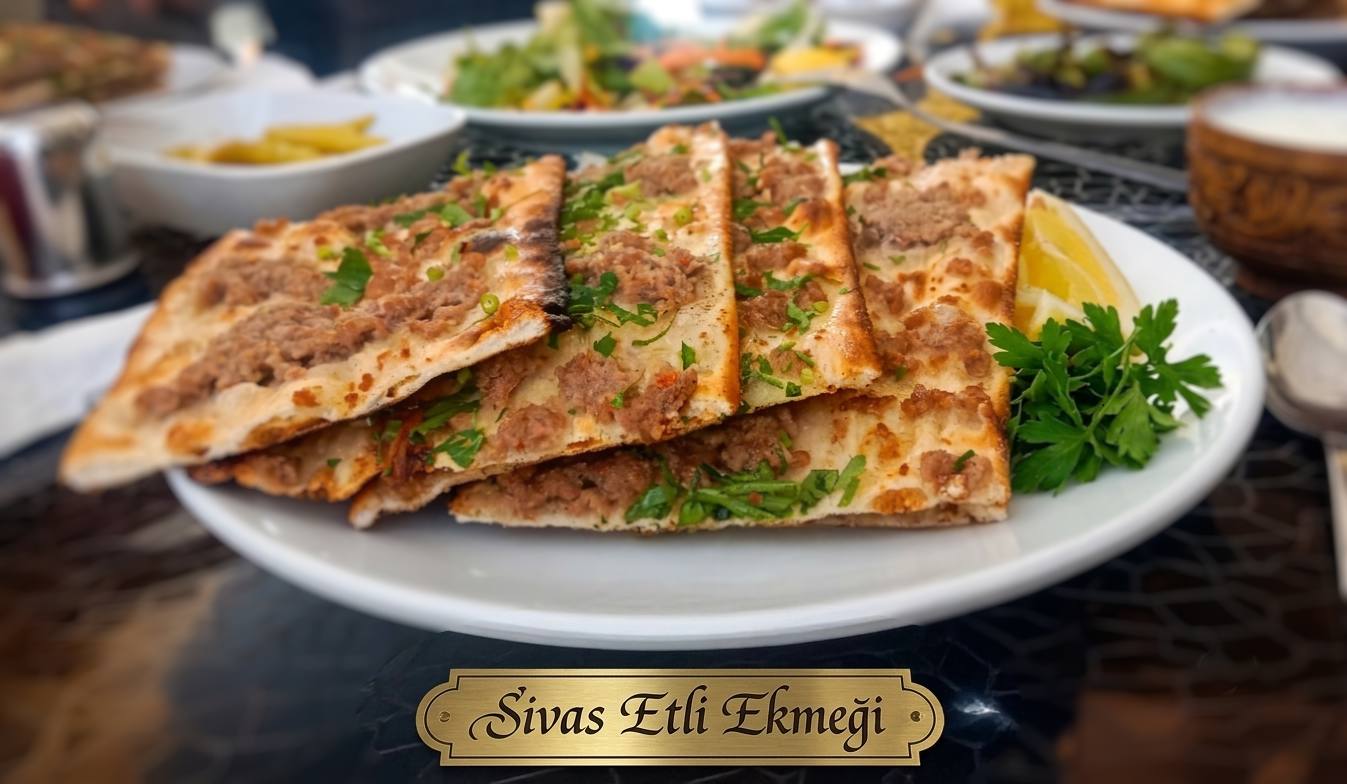
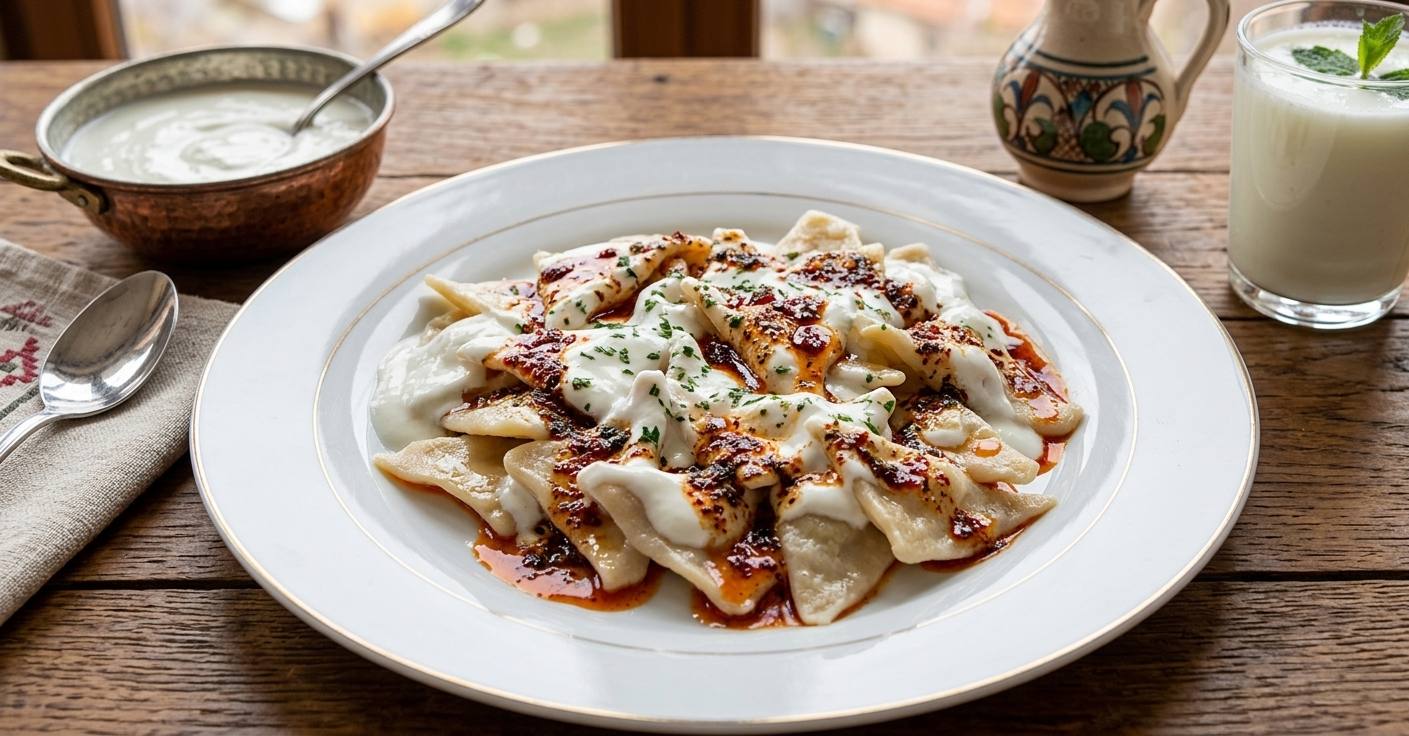
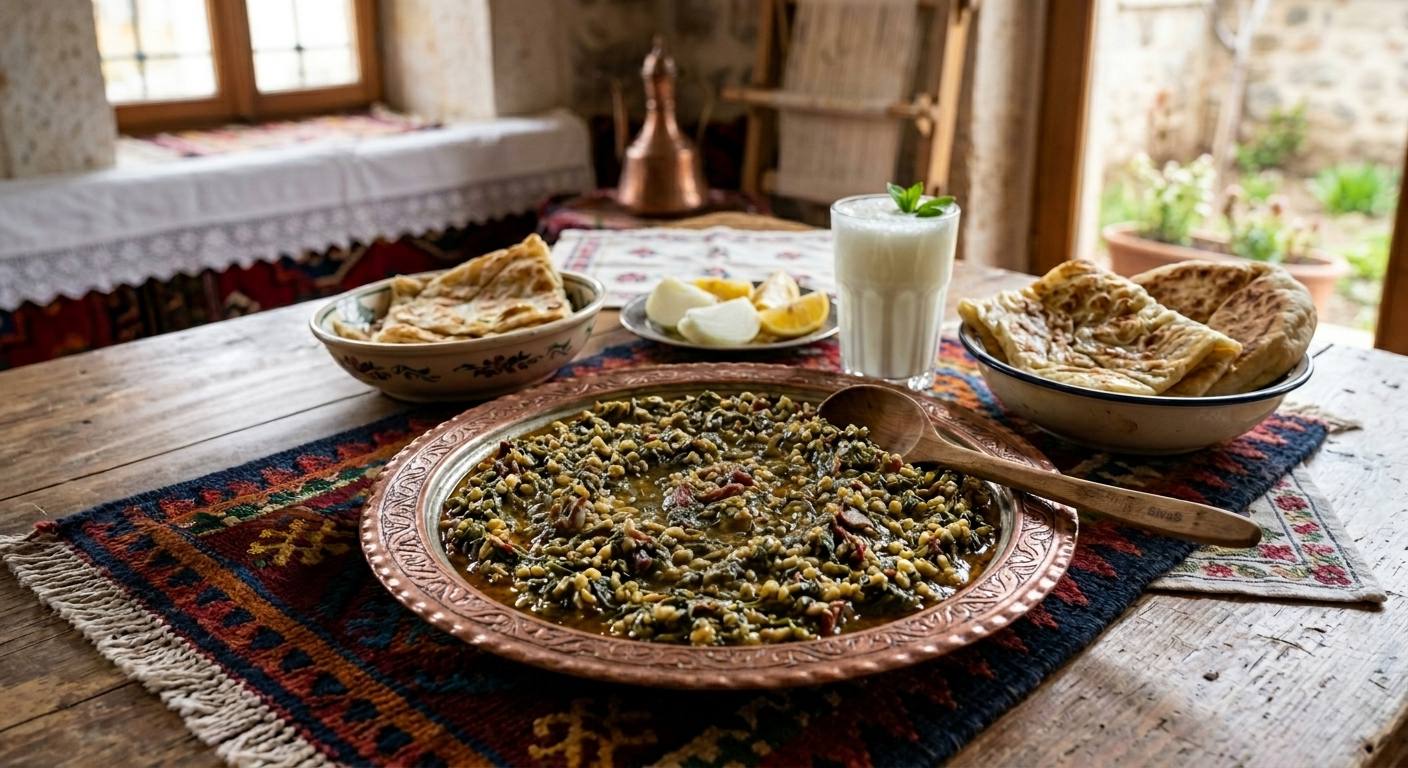
Sivas’s deep-rooted cultural heritage and unique culinary traditions serve as a major attraction within today’s tourism ecosystem under the umbrella of culinary tourism.
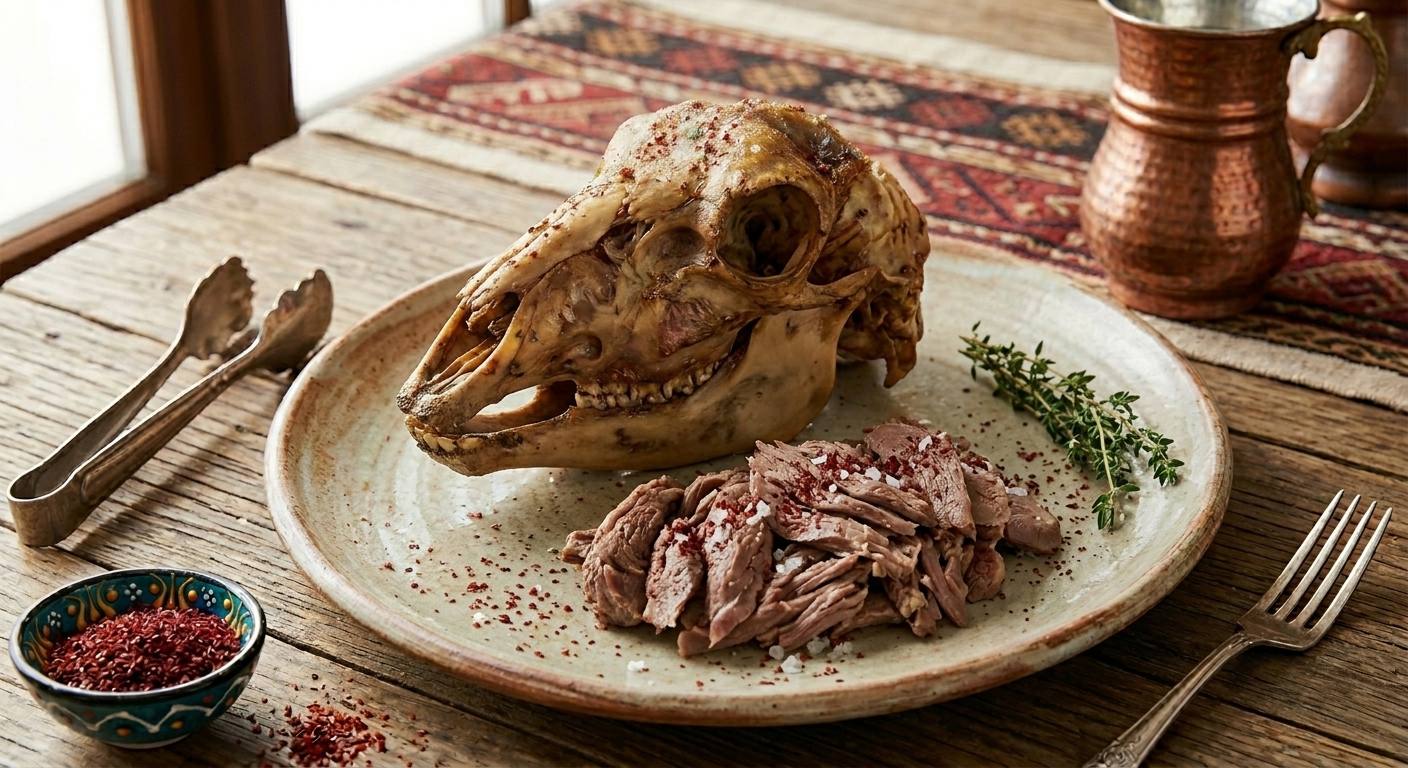
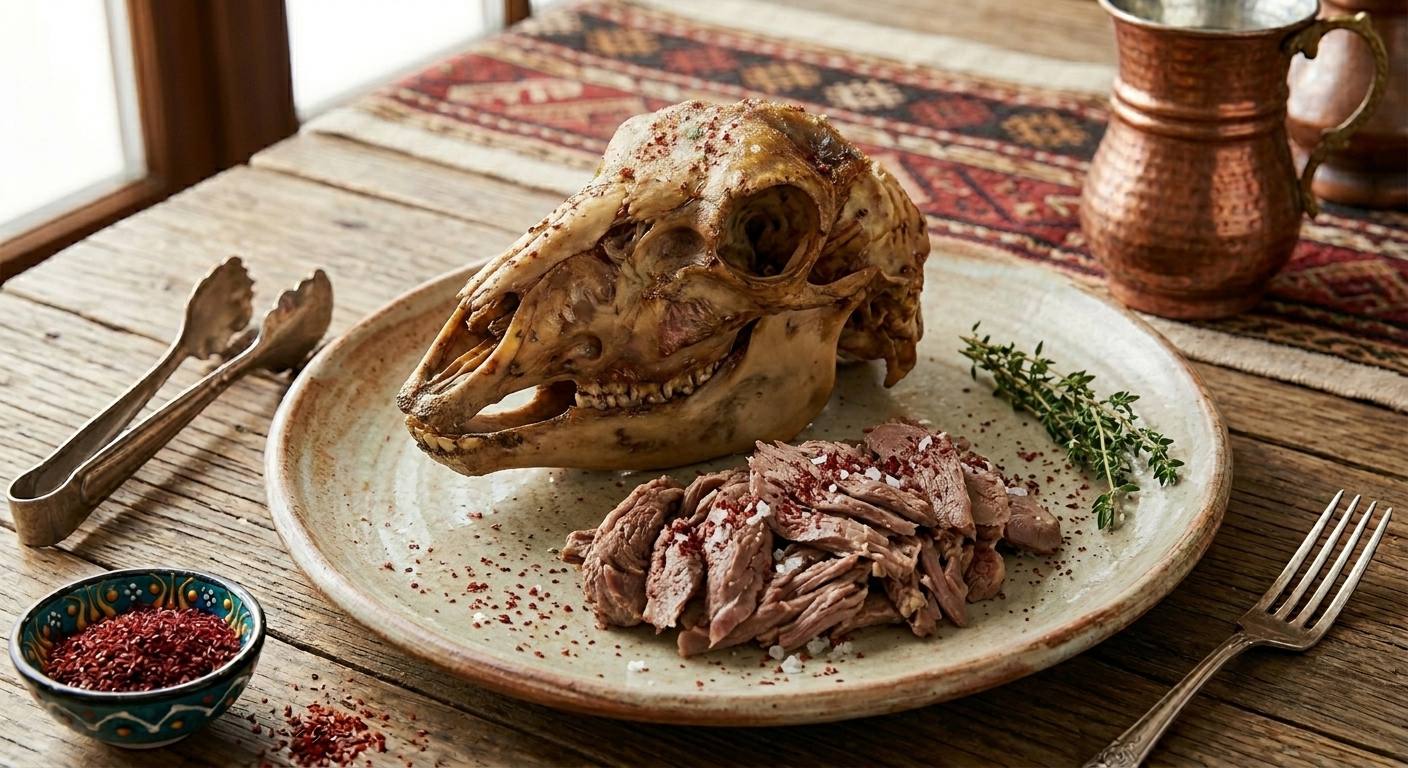
Offal products unique to the region, such as “Sivas Kellesi,” are more than just food items; they are symbolic cultural assets that directly influence tourists’ destination choices. Köksal (2014) emphasizes the role that the preservation of local riches and their collective ownership by the community play in transforming these elements into a destination brand (Figure 6.11). The sense of belonging in this context holds strategic importance both in incorporating local identity into promotional processes and in preserving cultural continuity.
The fundamental character of Sivas cuisine has been shaped by the region’s harsh climate, sociocultural fabric, and historical depth. Offal—which holds a special place in many societies and accounts for approximately 20% of an animal’s total weight (Küçükkömürler and Kaloman, 2021)—emerges as a gastronomic specialty in Sivas cuisine.
One of the most critical elements supporting this culinary culture is the Sivas knife-making tradition, which dates back to the 12th century (Mahiroğulları, 2003). The craft of knife-making has not been limited to merely producing technical tools for culinary practices; rather, by combining with mastery in meat processing in particular, it has elevated gastronomic performance to the highest level. As a concrete reflection of the principle “The tool does the work, the hand takes the credit,” the use of high-quality Sivas knives enhances the value of the raw ingredients and directly determines the quality of local flavors.
One of the most characteristic elements of the regional cuisine, “Fırın Kellesi,” is a full-fledged ritual from the preparation stage to its presentation. Field studies conducted by Şimşek (2021) have detailed the supply-demand balance of this product in the local market and its traditional production processes. From a historical perspective, it is recorded that the dish has been cooked in stone ovens (tandır) over a wood fire since the Middle Ages (Solmaz and Altıner, 2018).
This traditional method is still meticulously followed today; small livestock heads are subjected to a slow cooking process lasting approximately 16 hours in special pans that are hermetically sealed to prevent air from entering. According to producer data, the heads placed in the oven around noon are made available for sale at dawn the following day (4:00–5:00 a.m.) and sell out early in the morning due to high demand.
This delicacy, which achieves its characteristic tenderness through prolonged heat treatment, is expertly carved using an axe during service and presented to the consumer.
 Back
Back