 Back
Back
Kazan Bagel
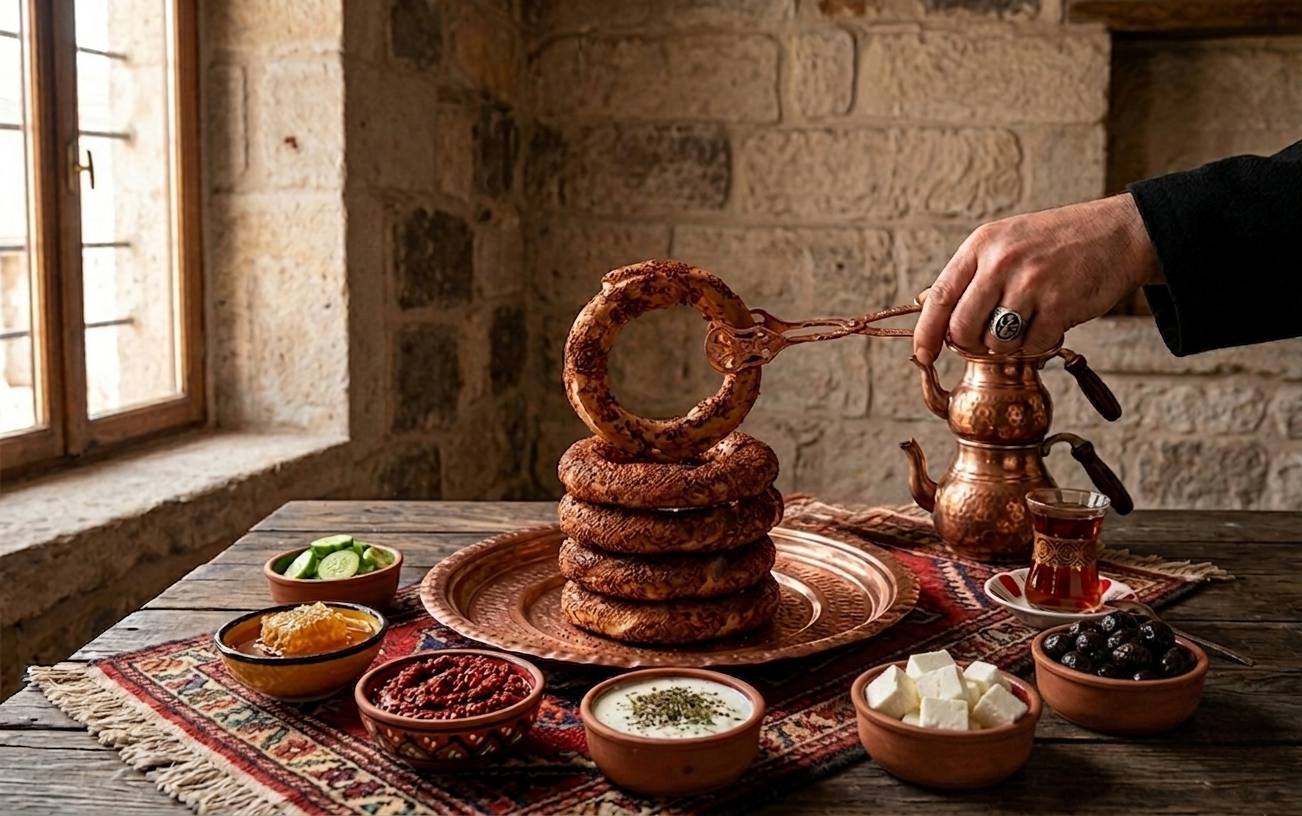
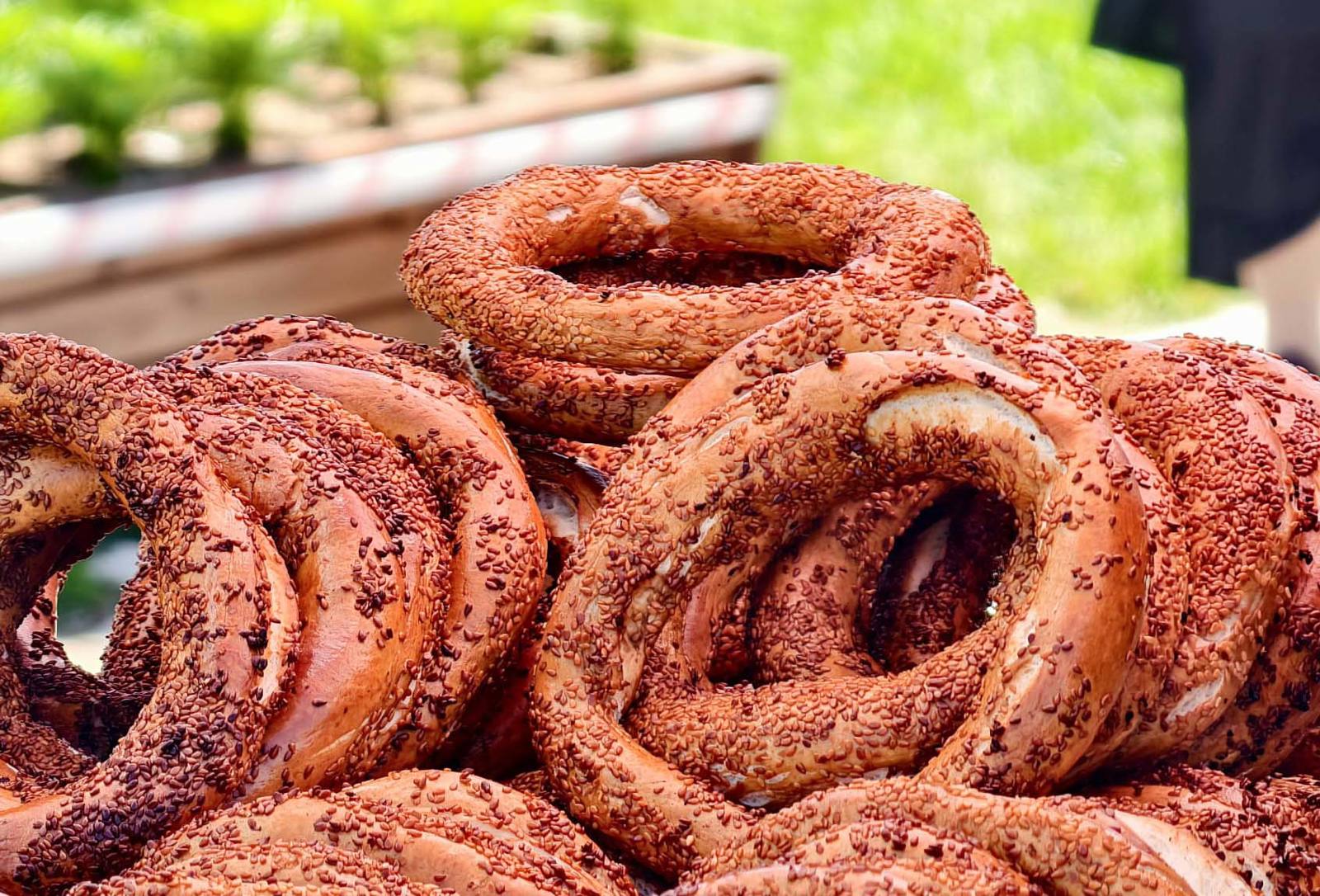
Sivas Kazan Bagel is a traditional treat made by the simit vendors in Sivas’s marketplace.
Sivas
264 views
Sivas Cuisine
Sivas’s culinary culture is significantly influenced by the region’s demographic structure, local way of life, and harsh continental climate. In particular, the long and cold winter has led to the prominence of high-energy, filling foods in the region’s culinary culture. Street food, which constitutes an important component of culinary culture, is among the gastronomic elements that reflect the sociocultural characteristics of societies (Ballı, 2016). These delicacies not only reveal the reflection of local culture in daily life but have also become an important part of gastronomic tourism.
Street foods found in different countries and regions take shape according to the cultural heritage and consumption habits of societies, thereby carving out a unique place for themselves within gastronomic tourism. Street foods are generally prepared by vendors in mobile food units—which can be transported by motorized or non-motorized vehicles—or using traditional methods, and then served to consumers.
In some cases, vendors can serve their products directly on the street by carrying them on trays. These foods are usually served on plates or wrapped in paper, allowing for quick consumption. At the same time, street foods help establish a connection with the destination being visited and allow consumers to come into direct contact with the local culture (Richards, 2015).
Kazan simit, one of the traditional baked goods unique to Sivas, differs from other types of simit in terms of its production technique. The most distinctive feature of this type of simit is that the shaped dough is left to rest briefly in a cauldron containing hot water mixed with grape molasses and then coated generously with sesame seeds before being baked in a stone oven. This process both darkens the simit’s color and gives it its characteristic crisp texture.
To prepare kazan simit, a medium-firm dough is first kneaded using flour, water, salt, and yeast. The kneaded dough is allowed to rest for a certain period to allow it to rise. Equal-sized pieces are taken from the rested dough, rolled into long strips, and shaped into rings. The shaped simit dough is briefly soaked in a large cauldron containing water and grape molasses. This process creates a light crust on the surface of the dough while also giving the simit its distinctive color and aroma.
The dough pieces removed from the cauldron are then generously coated with sesame seeds. The sesame-coated simit are traditionally baked at high temperatures in stone ovens heated with oak wood.
By the end of the baking process, the simit’s outer surface becomes crispy and crunchy, while the inside remains soft. With these distinctive characteristics, Sivas kazan simit is a traditional product that is consumed in the city—especially in the morning as part of breakfast—and holds an important place among street foods.