 Back
Back
Mumbar Dolması
The culture of offal is a specialty in Sivas cuisine that dates back to the 12th century and has been shaped by the region’s small ruminant livestock industry.
154 views
Sivas Cuisine
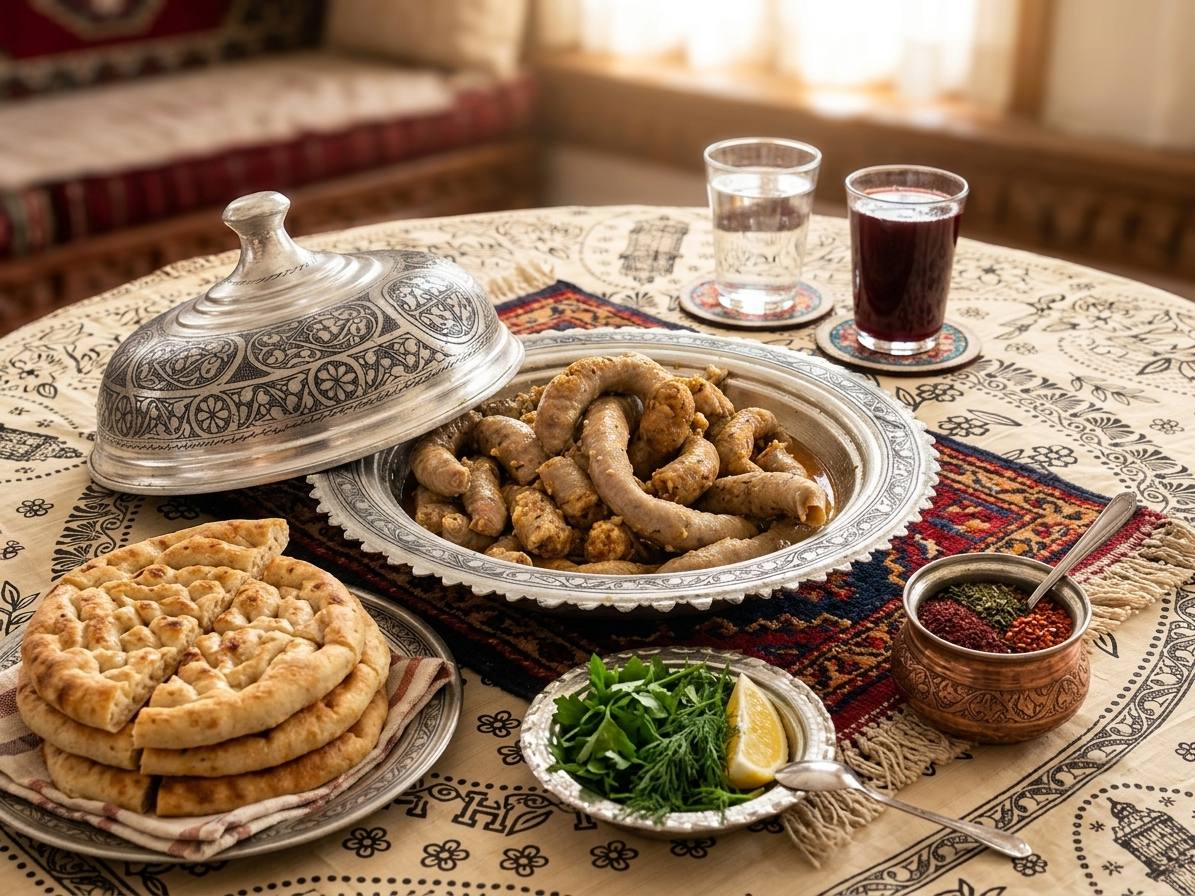
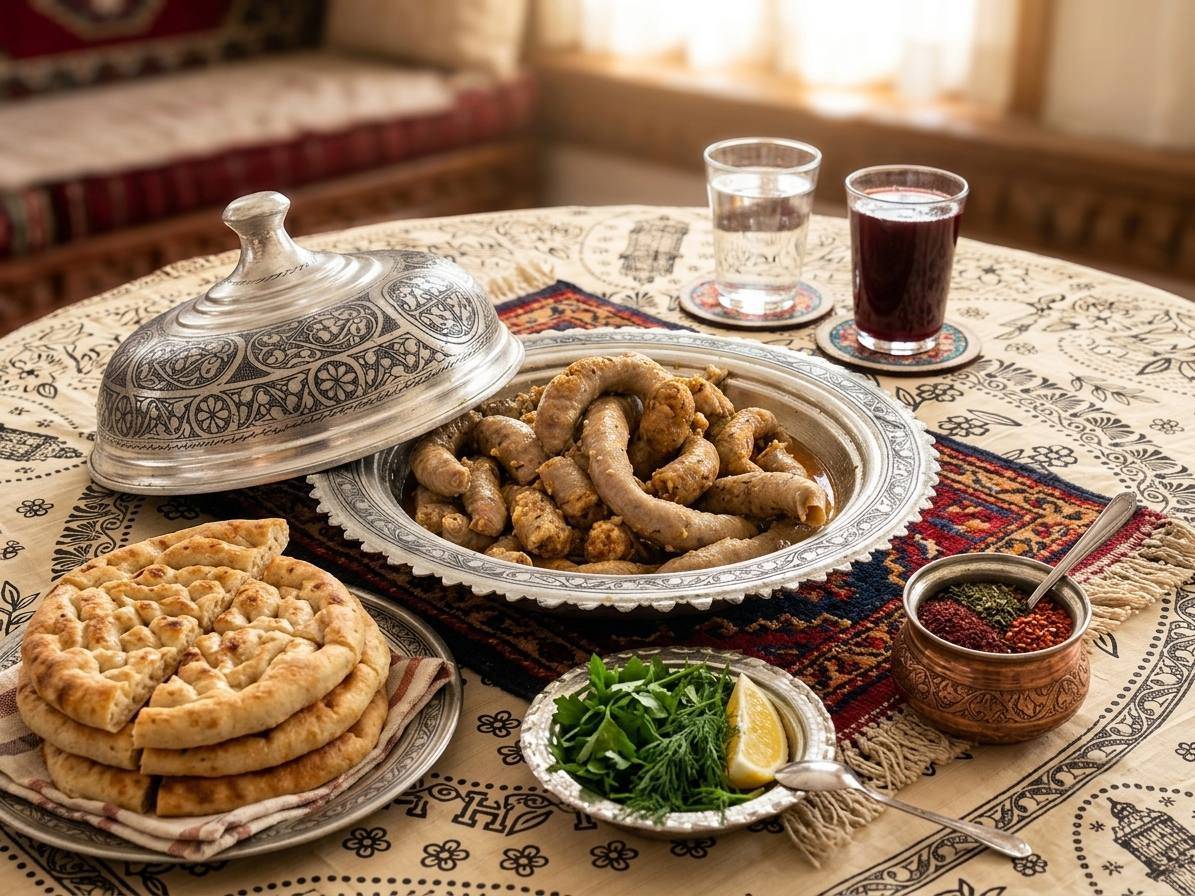
Mumbar dolması, the most striking example of this culinary tradition, is a gastronomic masterpiece prepared by meticulously processing the animal’s internal organs and stuffing them using regional techniques (Üçer, 1992).
In the Sivas region, this dish—prepared specifically to make use of the intestines of animals slaughtered during periods such as Eid al-Adha—has, over time, evolved into one of the distinctive flavors of the regional culinary culture, shaped by the culinary expertise and traditional cooking techniques of local women (Figure 6.10).
This is considered an important example reflecting both the transmission of traditional knowledge and cultural approaches aimed at preventing food waste in the local cuisine. It is noted that, particularly in Sivas cuisine, thyme is preferred to balance the odor associated with offal and to impart a distinctive aroma to the dish (Üçer, 2010).
In traditional recipes, using an average of 500 gr of bulgur for approximately 1 kg of fatty ground meat is considered an appropriate ratio. The prepared stuffing is stuffed into the cleaned intestines, and the mumbar is pricked with a needle at several points to prevent bursting during cooking. It is then typically simmered for about two hours in a slightly sour liquid—usually containing tomato paste—until the intestine tissue softens. Due to its high energy content, stuffed mumbar is a traditional dish consumed especially during the winter months and holds an important place in Sivas’s culinary culture.