 Back
Back
Sivas Meatballs
Sivas Köfte, the most well-known dish of Sivas cuisine worldwide, is a trademarked dish that can be considered the epitome of simplicity and naturalness.
Sivas
508 views
Sivas Cuisine
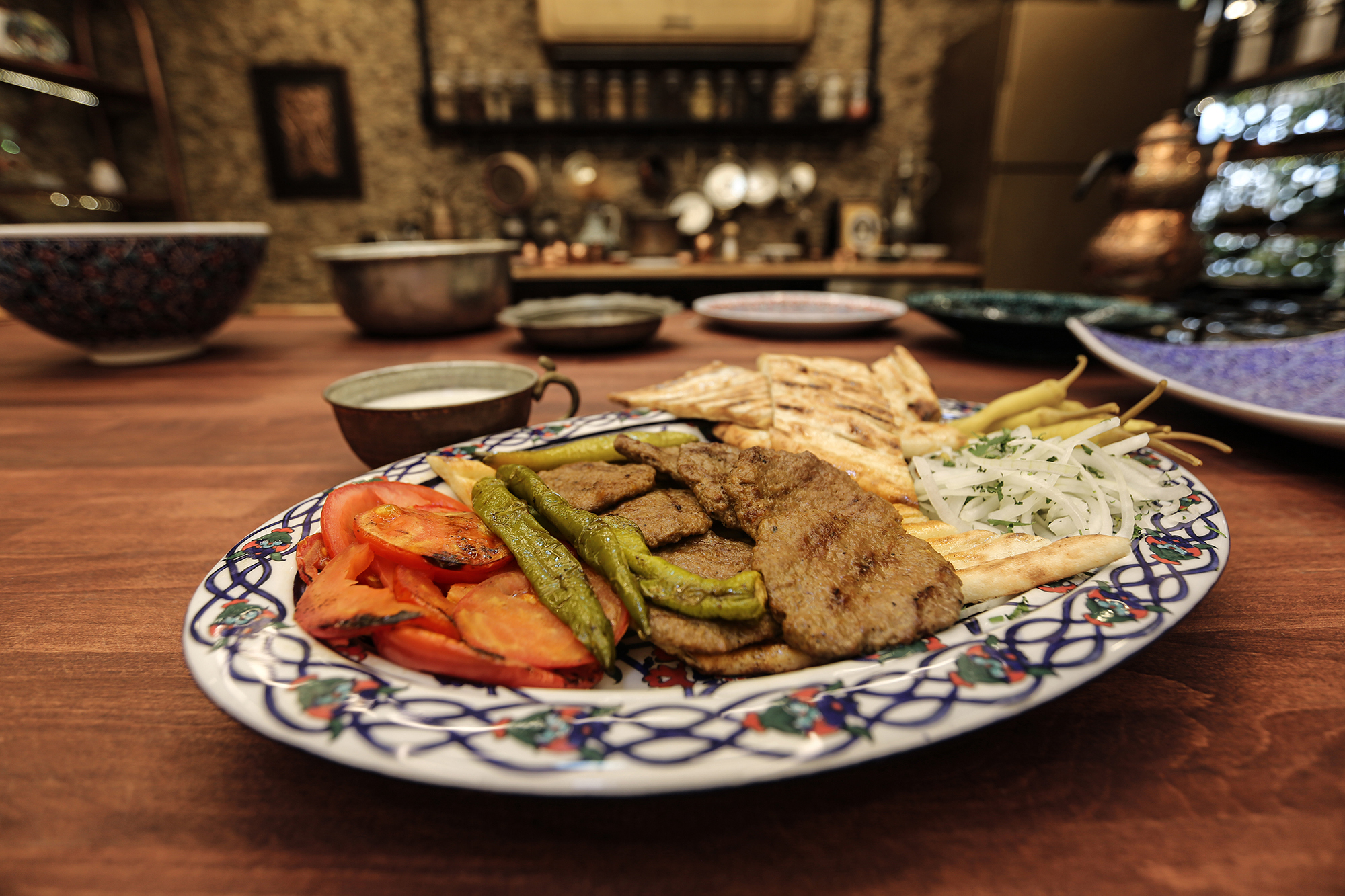
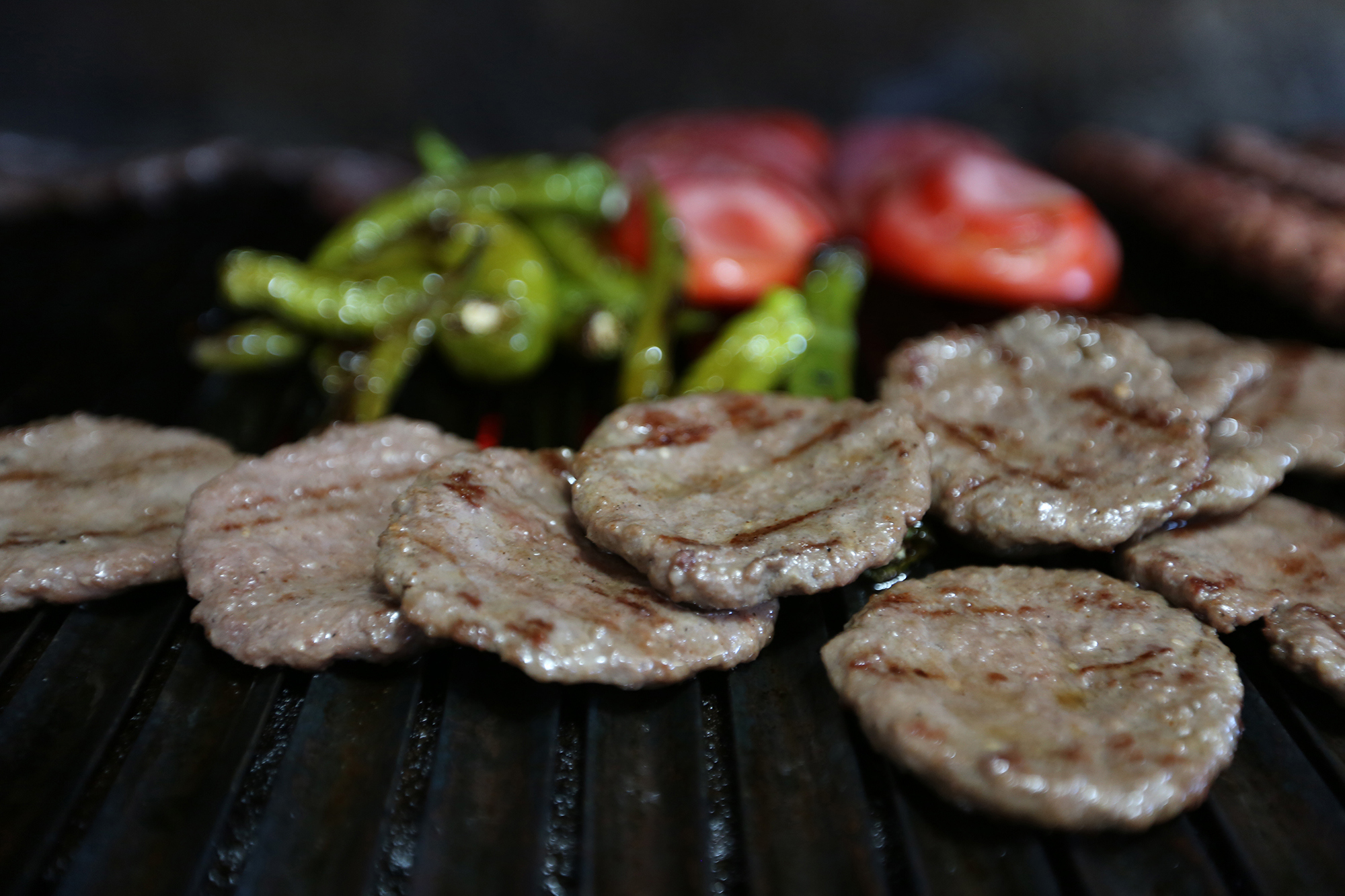
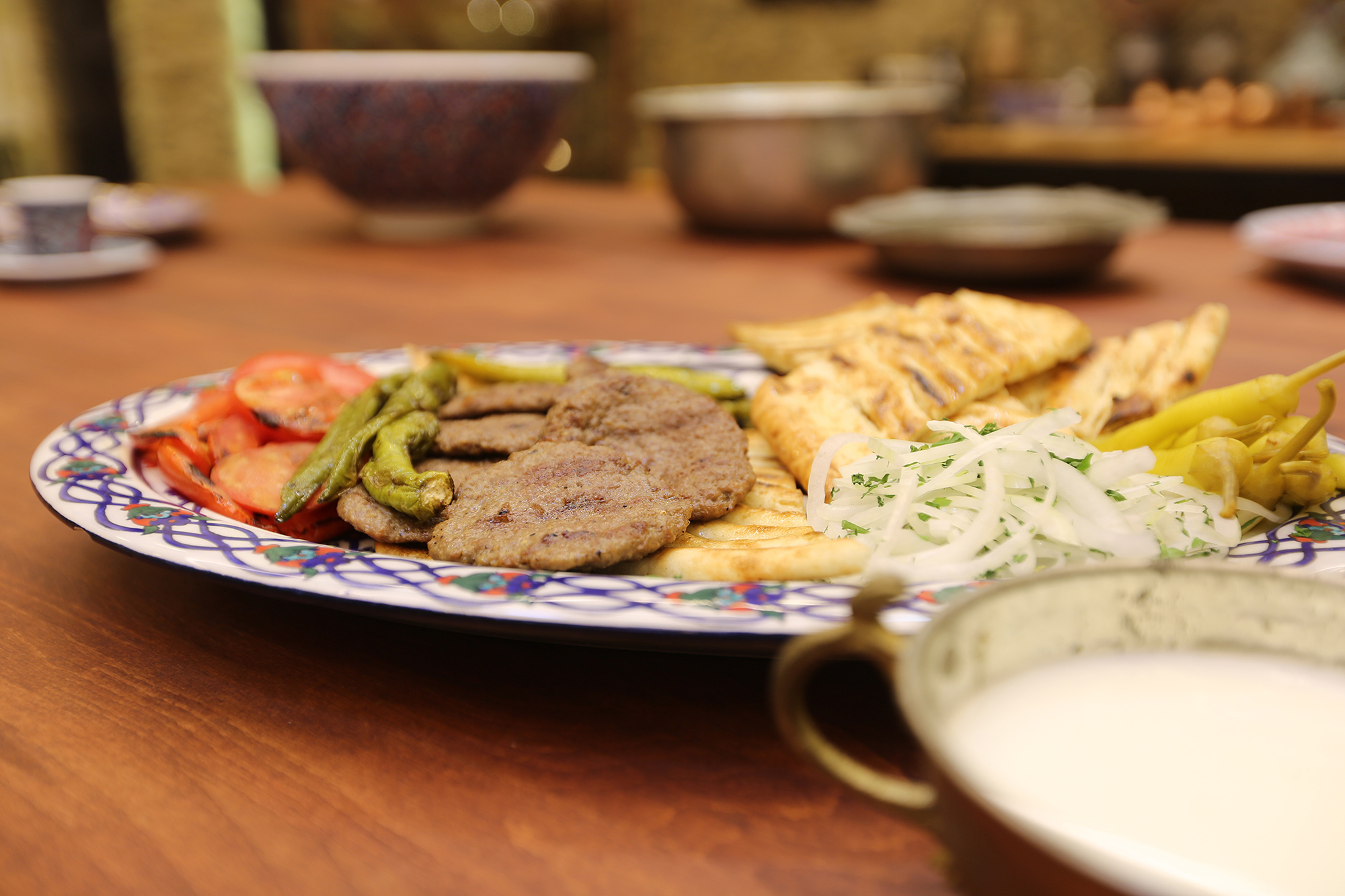
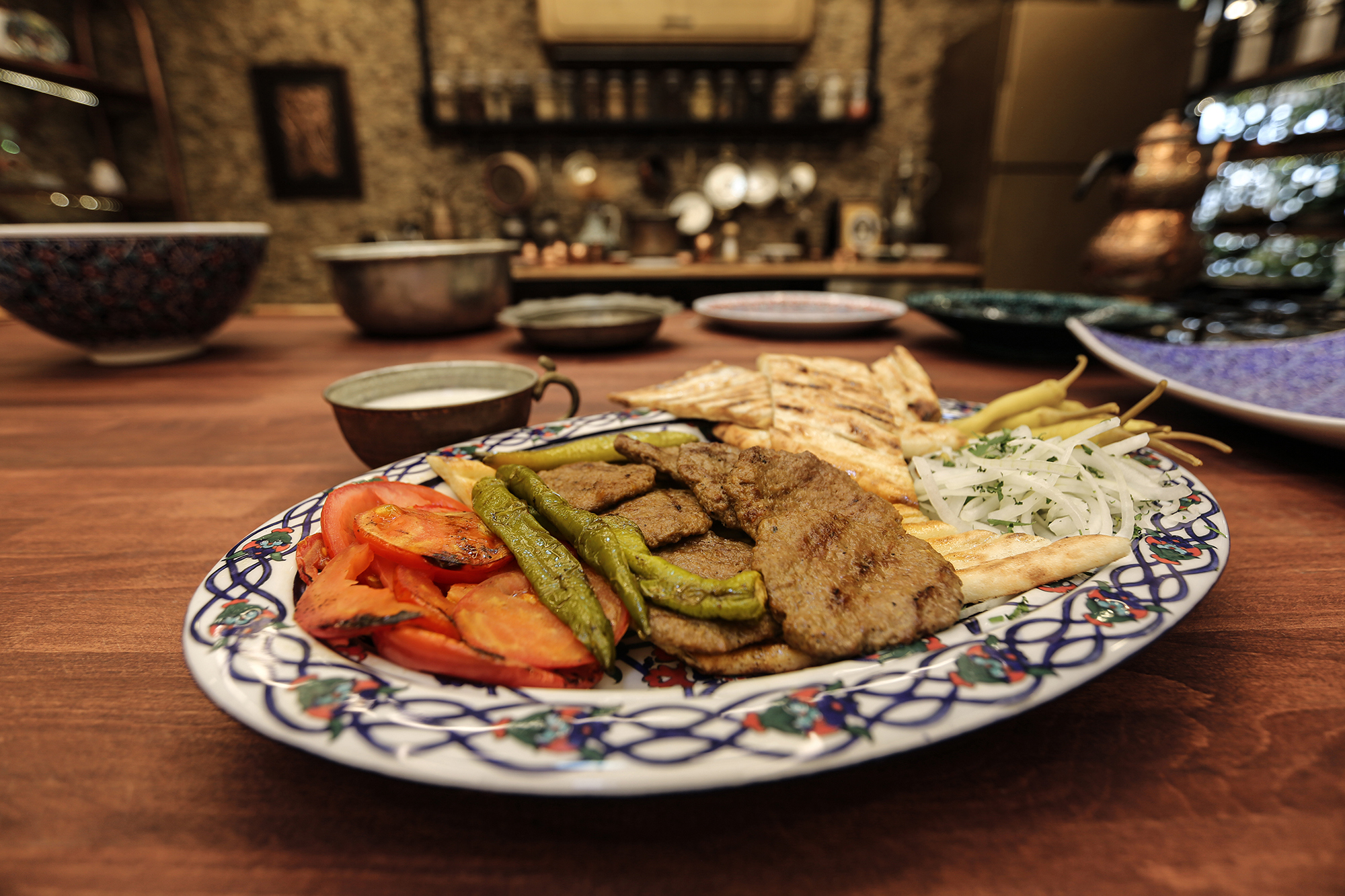
Although meatballs in Turkish cuisine are generally prepared with various binding and flavor-enhancing ingredients such as spices, parsley, eggs, bread crumbs, bulgur, or rice, the Sivas Meatball differs from this practice (Figure 6.7). As a result of the trust placed in the meat, this regional delicacy contains no spices or additives other than salt. The use of meat from animals raised locally is essential in the preparation of Sivas Köfte. While meat from female animals that have not given birth (heifers) is generally preferred, a mixture of meat from different parts of the animal—such as the leg, shoulder, and ribs—may be used instead of meat from a specific region. In some cases, a mixture of 80% heifer meat and 20% lamb meat may also be used (Önem, 2022).
During preparation, the meat pieces are trimmed of tendons and excess fat, ground into mince with only salt added (typically finely ground rock salt from Sivas), and then left to rest in the refrigerator for one day to enhance the flavor. After resting, the meat is ground again and, following a final resting period, shaped by hand into circles 4–5 cm in diameter and 0.5–1 cm thick. Cooking is traditionally done on grills using oak charcoal.
A serving of Sivas pide meatballs (approximately 200 gr. of grilled meat, along with seven tomatoes and seven peppers) is served hot after cooking. Onion salad and pickled peppers are also frequently served as side dishes. Sivas Köfte is also sold raw and is widely consumed on the grill, particularly during the summer months as part of picnic culture. This unique delicacy was registered with a geographical indication in 2011 to preserve its regional identity (Öztürk and Arıkan, 2018).